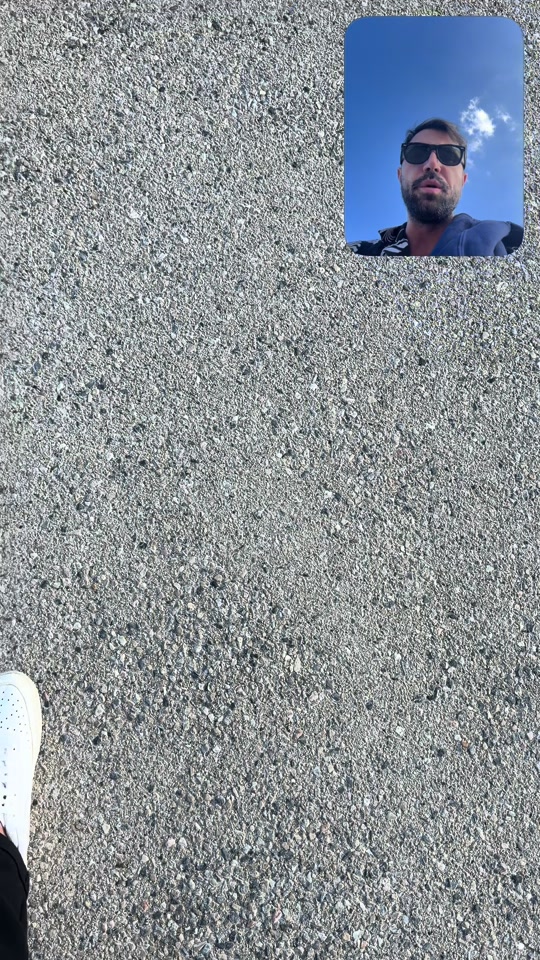
In Vienna I started talking about the city’s frequency. That was my word for the atmosphere and for what it brought out in me. I was thinking about Skanderbeg’s helmet and sword, and I felt a strong connection to being Albanian.
I am describing an experience. I did not measure a physical frequency, and I am not claiming that a city transmits a scientifically established energy that changes your personality.
But the experience itself was real to me. You can walk through a place far from home and suddenly feel your roots more clearly.
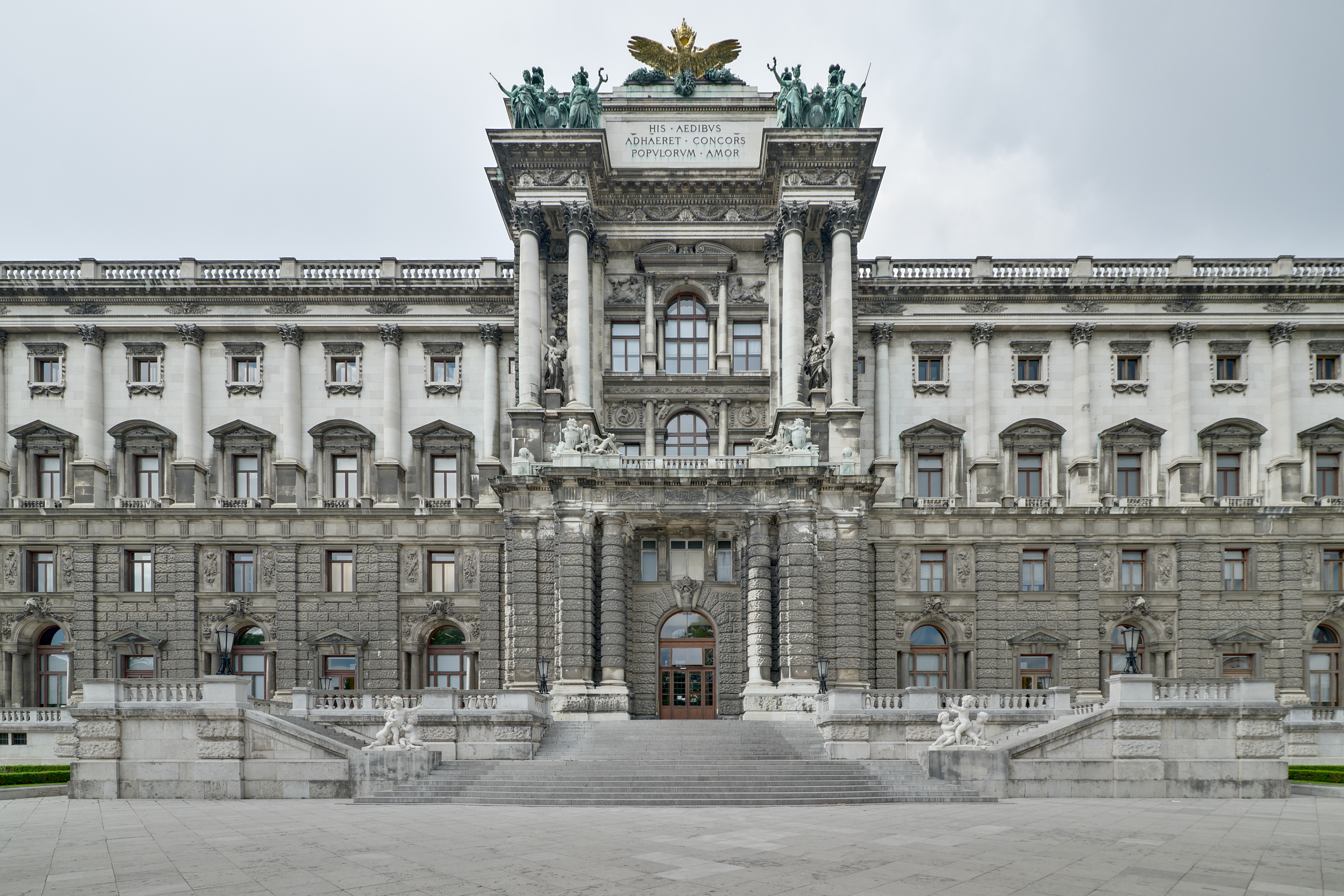

A city can become a mirror
Travel does this sometimes. You arrive expecting to look at buildings. Instead you notice something about yourself: what makes you proud, what you miss, what you have stopped paying attention to.
In this case, the connection with Skanderbeg gave the city a personal layer. Vienna was not only somebody else’s history. There was a thread there that reached into ours.
That does not mean the whole city exists to confirm my identity. It means that one encounter can change how I move through it. I can admire a place without becoming less connected to where I come from.

Leave room to walk
For someone building their own visit around museums and the city, the Ringstrasse offers a useful sense of scale. Vienna’s tourist board gives its length as 5.3 kilometres.[1] That is the boulevard’s length, not a claim that I walked the full route in this video.
Here is an illustrative calculation for continuous walking:
| Assumed pace | Calculation | Moving time |
|---|---|---|
| 3 km/h | 5.3 ÷ 3 × 60 | 106 minutes |
| 4 km/h | 5.3 ÷ 4 × 60 | 79.5 minutes |
| 5 km/h | 5.3 ÷ 5 × 60 | 63.6 minutes |
At 4 km/h, that is about 80 minutes of movement. Crossings, detours, photographs, coffee and museum visits add time. These are planning scenarios, not measured travel times or an accessibility assessment. Choose a shorter section if that is what your energy, mobility or family needs.

I like the idea of giving one museum object proper attention and leaving the rest of the walk open. The Skanderbeg article explains what the museum records say about the helmet, including the limits of the attribution. Check the museum’s current arrangements before travelling specifically to see it.
Bring something back that you can use
A feeling of pride can disappear as soon as you reach the next airport. Or it can become a question with consequences.
What do I want to understand better about our history? What can I explain to my children beyond a name and a symbol? What am I contributing to the culture I say I love?
Those are my questions after this moment, not instructions that every Albanian must experience Vienna in the same way. Someone else may feel homesick, indifferent, curious or entirely at home. Belonging is not a competition.
I return to that in a child’s idea of home. The place an adult calls home and the place a child feels at home can be different, without either feeling being fake.
Sometimes you travel away from home to hear it more clearly.
Sources and calculation notes
-
[1] Vienna Tourist Board: Ringstrasse, 5.3 km.
-
Walking model: minutes = distance in km ÷ assumed km/h × 60. No stops included; 79.5 and 63.6 round to 80 and 64 minutes. Inputs and results.
-
“Frequency” describes my personal impression in the video, not a measured physical property.
-
Original video and thumbnail: Eduard Luta on TikTok. Published 2026-09-15. Research checked 23 September 2026.