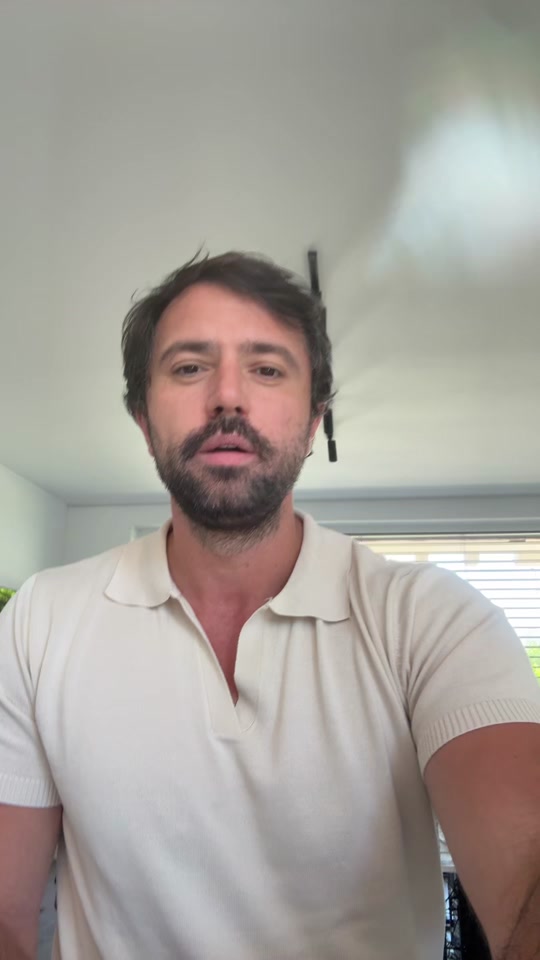
A friend invites you to try something new, visit another city, or have an experience you would not have arranged alone. In this video, I think about how often those invitations have led to moments I remember and friendships that became deeper.
The experience starts before the trip. It starts with the answer.
I describe an invitation almost as life reaching out through another person. That is a spiritual way of seeing friendship, not a claim I can measure. What I can point to is the ordinary action: somebody thought of you and made room for you in a plan.
Before the automatic no
There are good reasons to decline. Money, time, energy, family commitments, or simply not wanting that particular experience. A friendship should have room for an honest no.
The question in my video is about a different kind of refusal: the one that arrives before you have even considered what is being offered. The familiar evening wins by default. Nothing is wrong, but nothing new gets a chance either.
A useful pause is to ask what is actually stopping you. If the obstacle is practical, perhaps the plan can change. If it is the discomfort of doing something unfamiliar, perhaps the discomfort is part of the invitation.

Make the yes concrete
An invitation becomes easier to consider when it has a shape. Who is going? What does it cost? When will we be back? Those questions do not kill the adventure. They let a person decide with the life they actually have.
If a full weekend does not fit, suggest a smaller version. A walk instead of a trip. An afternoon instead of three days. These are examples, not a prescription to accept something you do not want.
The important part is responding to the person. An unanswered message leaves them guessing; a clear answer makes it possible to plan, or try another time.
Be the person who invites, too
There is another side to the video. We can wait for someone to bring the world to our door, or we can occasionally make the invitation ourselves.
Offer a specific idea and an easy way to decline. You are making room, not testing loyalty. If the answer is no, the relationship does not have to become a referendum on whether the person cares.
I describe good friendship as something that goes both ways. The same applies here. Sometimes you are the person being encouraged out of a routine. Sometimes you are the person who remembers to ask.
No one can guarantee the evening will be extraordinary. But a shared memory needs somewhere to begin.
Sources and calculation notes
-
This is a personal essay based on the original video. The spiritual comparison is personal interpretation; an unverified quotation mentioned in the recording is not attributed here.
-
The decision diagram and suggested alternatives are editorial examples. No benefit, friendship outcome or success rate is claimed or calculated.
-
Original video and thumbnail: Eduard Luta on TikTok. Published 2026-05-31. Research checked 26 September 2026.