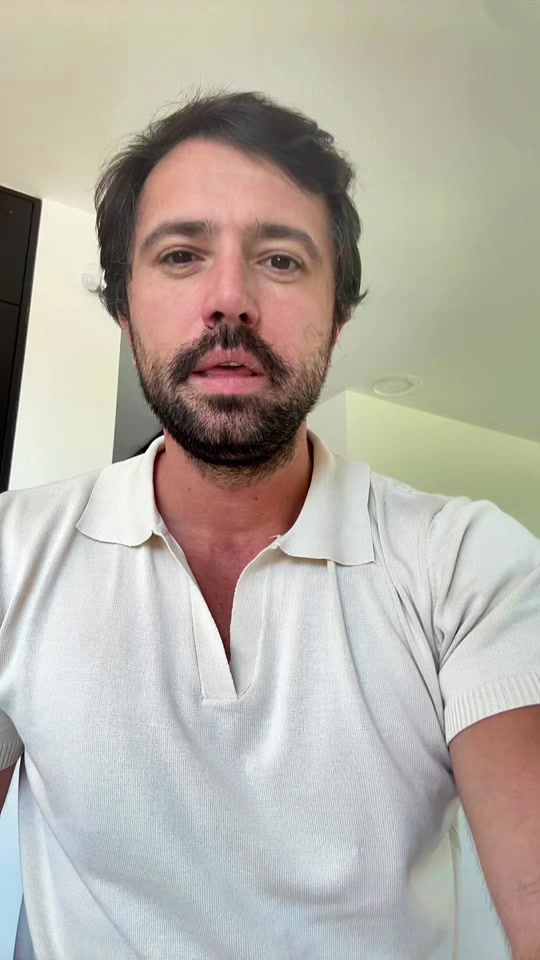
The language in this video is blunt. I warn against people who make everything feel stale: fixed opinions, an automatic no to anything new, a need for every detail to be perfect before anybody can try.
My concern is what that kind of conversation does when you want to create something. Before the first experiment, you can spend all your energy defending the right to begin.
But “protect your energy” needs some precision. It should not become an excuse to hear only praise.
An objection can be a gift
Someone may see a real problem in your idea. Perhaps the cost is too high, the audience is unclear or the plan depends on an assumption you have never checked. That is useful information even when the delivery is uncomfortable.
The distinction I would make is between a specific objection and a permanent verdict. “Nobody will ever want this” closes the conversation. “Which person needs it enough to use it?” gives you something to investigate.
Those are invented examples. The difference is not that one person sounds more cheerful. It is that one response can lead to a test.

Ask for the kind of help you need
A half-formed idea and a decision to spend money need different conversations. Early on, you might ask somebody to help identify the question worth exploring. Before a commitment, you need serious scrutiny of the evidence and consequences.
Try making that stage clear: “I am exploring this, not asking you to approve a finished plan. Can you help me find the weakest assumption?” Or: “I am close to a decision and need you to tell me what I am missing.” These are example prompts, not a guarantee of a helpful response.
Then listen to the answer. Protecting an idea does not mean protecting every first assumption you made about it.
You can choose a smaller audience
In the clip I suggest not telling every person about every new thing you want to do. That can be an ordinary boundary. A family gathering does not have to become a pitch meeting, and someone who repeatedly ridicules a project does not need a weekly progress report.
This is different from excluding people who are affected by your decisions. If a plan uses shared time, money or responsibilities, the other people involved deserve a real conversation. Privacy around an early idea is not permission to hide its consequences.
Nor can we know somebody’s motives simply because they say no. Caution, fatigue, experience and different preferences can all sound less enthusiastic than we hoped. Look at the pattern and the substance of the feedback instead of assigning a diagnosis or a fixed character label.
The friendship and feedback article belongs here: somebody can care about you and challenge you. The question is whether the challenge helps you think and act more clearly.
Find people who can leave room for an imperfect beginning. Be willing to become one of those people for someone else.
Sources and calculation notes
-
Personal reflection based on the original video. Dialogue examples and the comparison diagram are editorial tools, not psychological tests or evidence about a particular person. No measured effect on creativity is claimed.
-
Original video and thumbnail: Eduard Luta on TikTok. Published 2026-05-31. Research checked 27 September 2026.