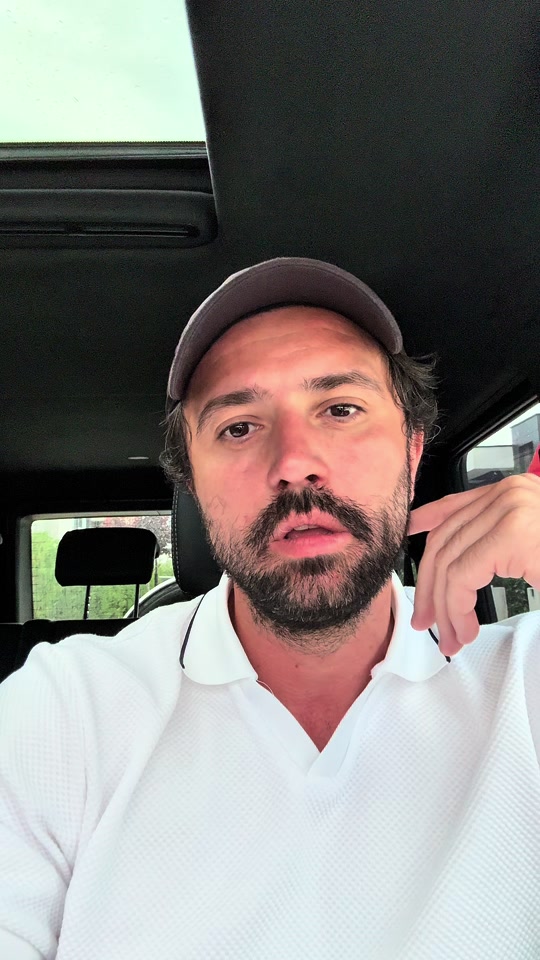
I am angry in this video. I describe growing up around explanations for why something could not be done: why not speak to that person, apologise, try something or take a chance?
What frustrated me was resignation presented as knowledge. Someone would say that this was simply how life worked, and I could see an action that had not even been attempted. The video ends with concrete examples: send the message, make the video, write the article, begin the work.
Name the behaviour, not a type of person
I use the language of a “victim mindset” in the clip. That can blur a distinction that matters. Being harmed, ill, poor or constrained does not mean somebody is choosing helplessness. A person can face a real injustice and still have agency; recognising the injustice does not remove that agency.
The question I want to keep is specific: is there a useful step available here that I am avoiding? It is much more precise than deciding that another person is a victim and therefore has nothing worth saying.

Intuition can start a test
The caption tells people to trust their intuition when others discourage them. Intuition can be a reason to investigate, but feeling sure does not make a belief correct. A practical response is to try something small enough to learn from and look honestly at what happens.
Take the apology example from the video. I control whether I acknowledge my behaviour and make an honest approach. I do not control whether the other person wants contact or accepts the apology. Their refusal would not make the attempt meaningless, and my wish to repair things would not entitle me to their time.
This is also why useful criticism deserves a hearing. A warning about a real risk is different from an automatic “you cannot.” The article about protecting new ideas explores that difference.
A body is not a moral score
The clip also makes an unhelpful comparison between body size and visible abdominal muscles. A six-pack is not a complete measure of health, character or effort. Appearance is not enough to judge another person’s circumstances.
Care and ambition can coexist. NIMH describes self-care as support for mental health and treatment, while encouraging professional help when symptoms are severe or distressing.[1] Needing support is not the opposite of taking responsibility.
My strongest point in the video is the smallest one: do something real that is within reach. Start with an action, learn from it and respect the limits of what it can change. There is no need to turn that into contempt for people who are struggling.
Sources and calculation notes
-
[1] NIMH: caring for your mental health, reviewed April 2026. Support and self-care can work together.
-
Personal reflections and an expanded apology example. No diagnosis of a “victim mindset,” claim that intuition is infallible, or inference about health from appearance is made.
-
Original video and thumbnail: Eduard Luta on TikTok. Published 2026-06-02. Research checked 27 September 2026.