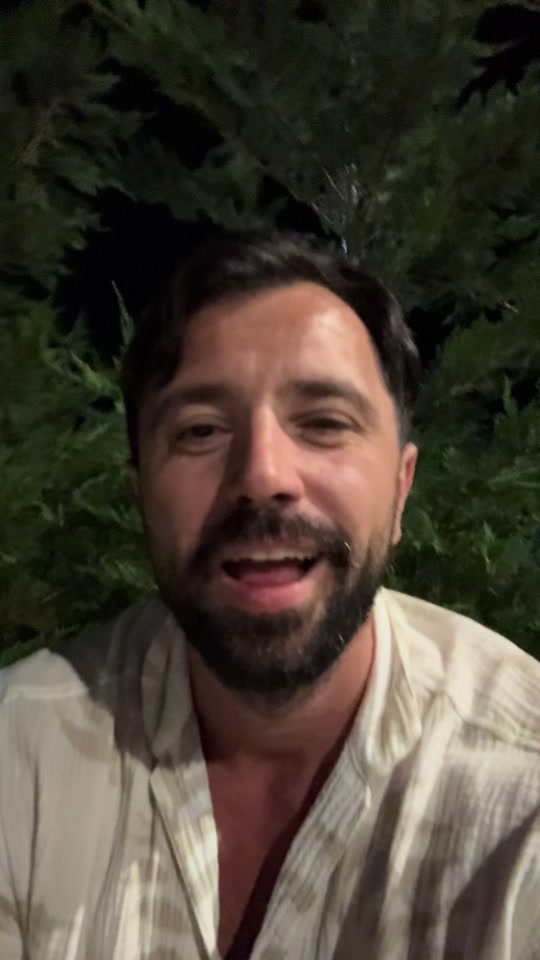
In this video I suggest a small game: if you could ask God one question, what would you ask?
Not a list. One question that feels important enough to sit with.
I invite the viewer to find somewhere quiet and spend ten or fifteen minutes with it, through prayer, meditation or reflection. In the recording I call what can arrive a download. That word describes how an insight can feel to me; it does not establish where a thought comes from or promise that everyone will receive an answer.
Let the question become clear
There is a difference between asking why everything is difficult and naming the part you are trying to understand. What am I afraid to admit? What matters enough that I want to change how I spend my time? What conversation have I kept postponing?
These are examples, not the correct questions. The point is to find language that belongs to your life, rather than choosing something that sounds profound.
Someone who does not pray can still use the invitation as quiet reflection. Shared attention to a question does not require a shared account of God.

Do not rush to turn a thought into an instruction
A thought that feels powerful can be worth writing down. It can also deserve a second look later. Is it consistent with what I know? Is it something to explore, a feeling to understand, or a decision that needs more information?
The quiet interval in the video is a personal suggestion, not a scientifically established dose. There is no failure if the time is ordinary, distracting or inconclusive. You can stop, return later or decide that another form of reflection suits you better.
A useful ending may simply be one sentence you want to keep, or one small action you can consider responsibly. For consequential decisions, a moment of conviction does not replace checking facts and speaking with the people affected.
Keep the question open
I am interested in the pause before another search, another message, another person’s explanation fills the space. Sometimes the question itself shows what has been asking for attention.
The same distinction appears in my writing about dreams and meaning: the experience can matter personally while its interpretation remains something to investigate.
You do not have to manufacture a revelation. Start by hearing the question you actually want to ask.
Sources and calculation notes
-
The ten-to-fifteen-minute interval and spiritual language come from the original video. They are personal suggestions, not a clinical protocol or evidence of divine communication.
-
The diagram and sample questions expand the reflection; no psychological or spiritual outcome is measured or promised.
-
Original video and thumbnail: Eduard Luta on TikTok. Published 2026-06-20. Research checked 26 September 2026.