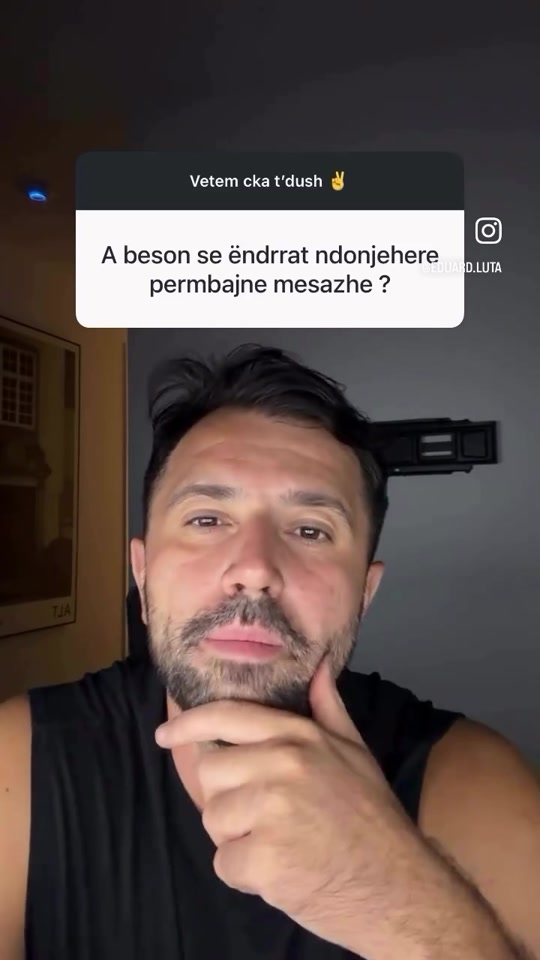
In this video I ask what you think dreams are. I talk about body, mind and soul, and describe my belief that dreams can involve an astral or spiritual experience. I also talk about writing dreams down and exploring the connections between them.
That is the perspective I bring to the question. The spiritual explanation is my belief, not an established finding of neuroscience. I want that distinction to stay visible even when the experience feels convincing.
A dream can leave a feeling that follows you into the day. Recording it gives you somewhere to begin. It does not automatically tell you where the feeling came from.
What sleep research can tell us
The US National Institute of Neurological Disorders and Stroke explains that the brain remains active during sleep, that dreams can happen in different sleep stages, and that their exact purpose is still unknown. Dreams are often most vivid during REM sleep.[1]
So when I speak loosely in the clip about the mind resting, that should not be read as the brain switching off. Sleep has active processes. My spiritual language is one way I interpret an experience; it does not replace that biology.

Write the dream before explaining it
Here is a journal structure I would use. Begin with what you remember: the place, the people, an image, a sentence, a bodily feeling. Mark missing parts as missing instead of repairing the story until it sounds complete.
Then write the emotion. Fear, relief, shame, warmth, curiosity. Only after that would I look for connections with waking life.
For example, imagine a dream about missing a train. “I saw a train leave” is the remembered scene. “I felt panic” is the emotion. “Maybe I am anxious about an opportunity” is an interpretation. None of those steps proves that an opportunity will disappear tomorrow. This is an invented example to show the distinction, not a dream I am claiming to have had.

A second interpretation is useful because it interrupts certainty. Perhaps the image connects with a recent journey. Perhaps it is a loose combination of memories. Perhaps I cannot make sense of it. Leaving the last possibility open does not make the exercise pointless.
A conversation partner is not an oracle
In the video I mention using ChatGPT to explore my dream notes. It can help me organise observations and generate possible connections. A convincing explanation from a model is still an explanation to examine, not independent evidence that a symbol has a fixed meaning or that an event will happen.
The useful question for me is practical: does this reflection help me notice a worry, have an honest conversation, or change something I have been avoiding? I can take that small action without making a grand claim about the universe.
This connects with taking responsibility for emotional reactions. A strong feeling deserves attention. The first story I attach to it still deserves a second look.
I want to stay open enough to listen, and honest enough to say I do not know.
Sources and calculation notes
-
[1] NINDS: Brain Basics: Understanding Sleep. The research summary above is separate from my personal spiritual interpretation.
-
The journal structure, diagrams and train example are editorial reflection tools, not validated dream diagnostics. No prediction or medical conclusion follows from them.
-
Original video and thumbnail: Eduard Luta on TikTok. Published 2026-09-11. Research checked 23 September 2026.