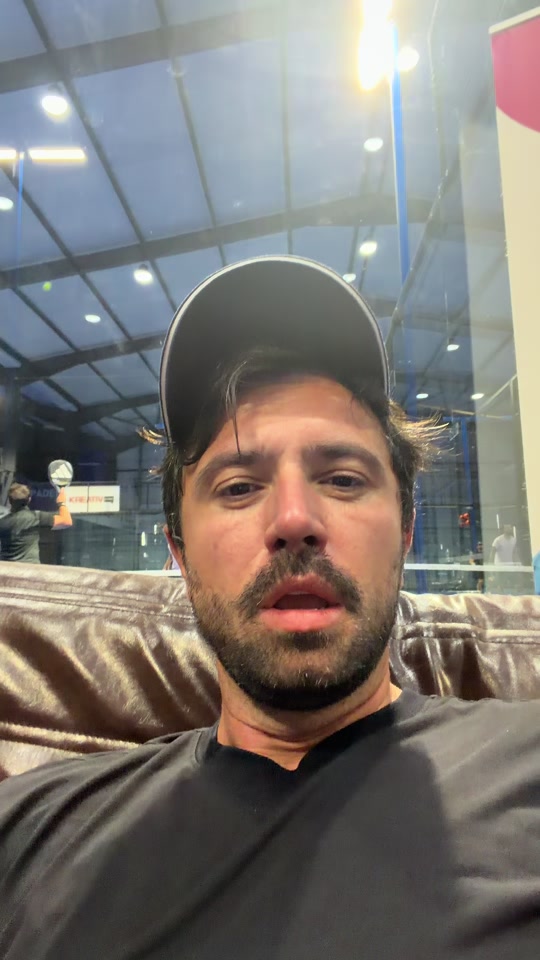
The caption on my video is direct: “Mërgimtarët në kuvend 12.08.2026.” I recorded my reaction the following day. What bothered me was the spectacle and how quickly it became a way to divide people into camps.
I question whether the people drawing attention represent our diaspora, or even the party they are being associated with. That question is the heart of the video. A loud moment can dominate a screen without speaking for a community.
What was the event?
The Assembly’s own notice, dated 12 August 2026, describes an annual diaspora visiting programme held over three days, with approximately 1,000 visitors. It says visitors met representatives and toured the institution. That is the institution’s account of the programme; the attendance figure is approximate, and it is not a measure of support for any party.
The original reaction does not establish the identities, motives or representativeness of everyone shown in the material I was discussing. Nor does an institutional event notice settle every dispute about what happened inside it. Those limits matter when a short clip becomes a national argument.

Visibility does not equal representation
People who attend an event are not automatically a random sample of everyone who could have attended. The moments a social platform circulates are selected again. The leap from one person’s behaviour to “this is the diaspora” therefore needs evidence the clip does not contain.
Even with the Assembly’s approximate visitor count, we cannot calculate how many people agreed with a statement: we have no verified count of agreement. We also cannot divide a handful of visible faces by an invented total diaspora population and call it a meaningful survey.
I have made a related point about counting Albanians in Germany. Before using a number to describe a community, we need to know who is included and what is actually being counted.
Anger is not evidence of orchestration
In the video, I wonder who benefits from the division and make a comparison with the spectacle around 6 January in the United States. That is a rhetorical comparison in my reaction. It is not evidence that the Kosovo visit was secretly organised to manipulate public opinion, or that the two events were equivalent.
Asking who benefits can begin an investigation. It cannot finish one. A claim about coordination would need documents, communications or other verifiable evidence. The fact that a scene looks absurd to me is not enough.
What remains without that speculation is a straightforward criticism: public institutions should make participation useful, and public debate should judge a specific action without turning an entire group into a caricature.
What better participation would look like
I would rather see a clear purpose for the visit, time for substantive questions and a public account of what was raised. If someone asks about a service, investment obstacle or voting issue, the answer should lead to a responsible office and a way to follow up.
People living abroad bring different experiences and disagree with one another. The relationship with Kosovo should be able to hold that variety. A diaspora visit succeeds when it opens a useful conversation, not merely when it produces footage everyone argues about.
Sources and calculation notes
-
Event context: Assembly of Kosovo notice, 12 August 2026 (official Serbian-language version; indexed text reviewed). Approximately 1,000 visitors refers to the three-day programme, not a single clip or a representative sample.
-
No polling percentage, party affiliation or hidden coordination is inferred from the footage. The diagram separates observation, interpretation and claims requiring further evidence.
-
Original video and thumbnail: Eduard Luta on TikTok. Published 2026-08-13. Research checked 27 September 2026.