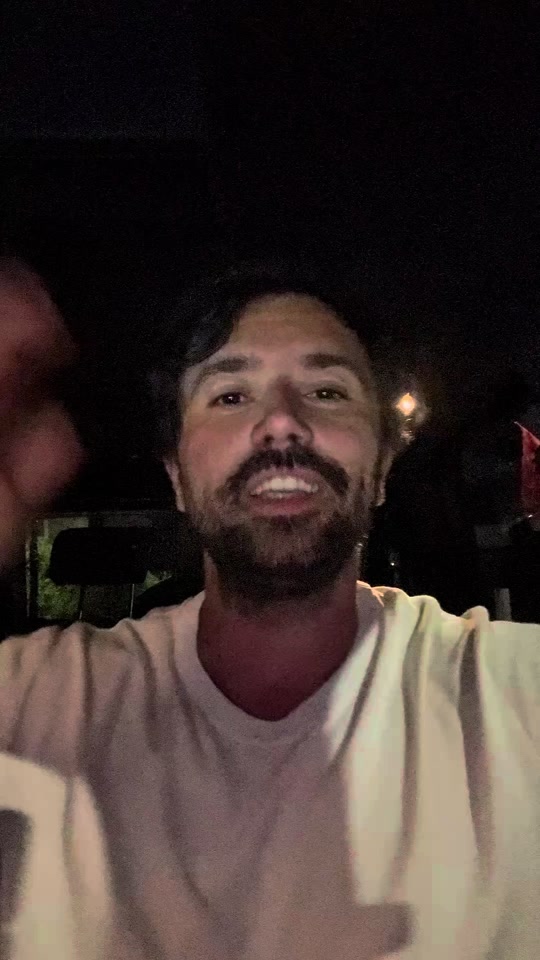
In the video I talk about handing responsibility for our lives to other people: relatives, influencers, teachers, trainers, doctors. Letting somebody else do all the thinking, then waiting for our situation to change.
I use “99%” in the clip. That is rhetoric, not a finding from a survey. I do not have evidence that this describes 99% of people.
The question underneath it is personal: am I taking part in the decisions that affect me, or am I only waiting for an answer to arrive?
Responsibility is not the same as knowing everything
There is a dangerous shortcut in this conversation. “Think for yourself” can start to sound like “ignore anybody with expertise.” That is not a useful destination.
A doctor brings clinical knowledge. A teacher understands a subject. A good trainer can see a problem in a movement that you have not noticed. Asking for their help is not surrender. The question is whether you understand the purpose, the options and your own part in what comes next.
For a medical decision, that means working with qualified professionals, not replacing care with an influencer’s confidence or your own internet search. NICE describes shared decision making as a joint process that brings evidence together with the person’s preferences and circumstances.[1]
You can respect expertise and still ask for an explanation.

Turn advice into a decision you understand
Here is a practical set of questions: what problem are we trying to solve? What supports this recommendation? What alternatives matter? What should I do next, and when should we review it?
These are prompts for participation, not a demand that you become an expert in every field. The depth of the conversation should fit the decision. Choosing a book is not the same as choosing a treatment.
In health care, bring your questions to the treating team, ask about benefits and risks, and say what matters to you. If you need help understanding, ask for it. If you want someone you trust involved, discuss that too. Do not stop a prescribed treatment merely because a motivational video tells you to take control.
In learning, the next step may be trying the task yourself and showing the teacher where you got stuck. In work, it may mean understanding why a recommendation fits the problem instead of copying a confident person’s answer.
Having a start is different from sustaining it
The clip ends with an idea I associate with my father: gaining something and being able to keep it are different challenges. I take that as an invitation to develop the judgment and habits that support what I value.
It is not proof that every advantage disappears, or that every setback is a person’s fault. Health, resources, opportunity and other people’s decisions can affect a life. Responsibility means working honestly with the part you can influence; it does not mean pretending you control everything.
That also connects to the real maths behind one hour of daily practice. An input you can track is useful. A guaranteed life outcome is another claim entirely.
Ask for help. Stay present in the answer.
Sources and calculation notes
-
[1] NICE, Shared decision making, NG197 recommendations, 17 June 2021, particularly sections 1.1.16 and 1.2. The guideline supplies the medical example; it does not validate the video’s rhetorical percentage.
-
The father’s idea is paraphrased from the clip, not presented as a verified verbatim quotation. The prompts are editorial guidance, not a clinical assessment or a guarantee of success.
-
Original video and thumbnail: Eduard Luta on TikTok. Published 2026-06-01. Research checked 27 September 2026.