The war against cancer — perhaps the most demonic biological entity known to man. In this battle, you learn not only to embrace every particle of information but to cherish every pixel of fortune life grants us.
As I write this, we have just received incredible news: My mother, fighting Endometrial Carcinosarcoma, known as an MMMT or Malignant Mixed Müllerian Tumor — (metastatic through lymph nodes), has achieved regression in both spread locations for the first time. We are on the right path to healing ❤
A lot has happened. A lot I have learned. And the more I learn, the more I want to document and share.
This positive news has taught me that the only way to win this war is to deeply study the enemy. We are failing to diagnose ourselves, failing to realize how sick we actually are, and failing to understand that we are essentially being sabotaged by invisible forces every day.
During my research into the ecosystem of parasites, bacteria, and viruses, I was reminded of an insight from an Ayahuasca retreat. The Shamans taught me that Ayahuasca is an intelligent being.
That thought sparked a question: If the medicine is intelligent, how smart are the demons we are fighting against?
If we were to grade these entities not on their ability to do math, but on their ability to survive, infiltrate, manipulate, and conquer, what would their “IQ” be? Here is the ranking of our biological enemies, according to their strategic cunning.
1. Ticks & Leeches: The Passive Landmines
🧠 IQ: 40 Archetype: The Trap
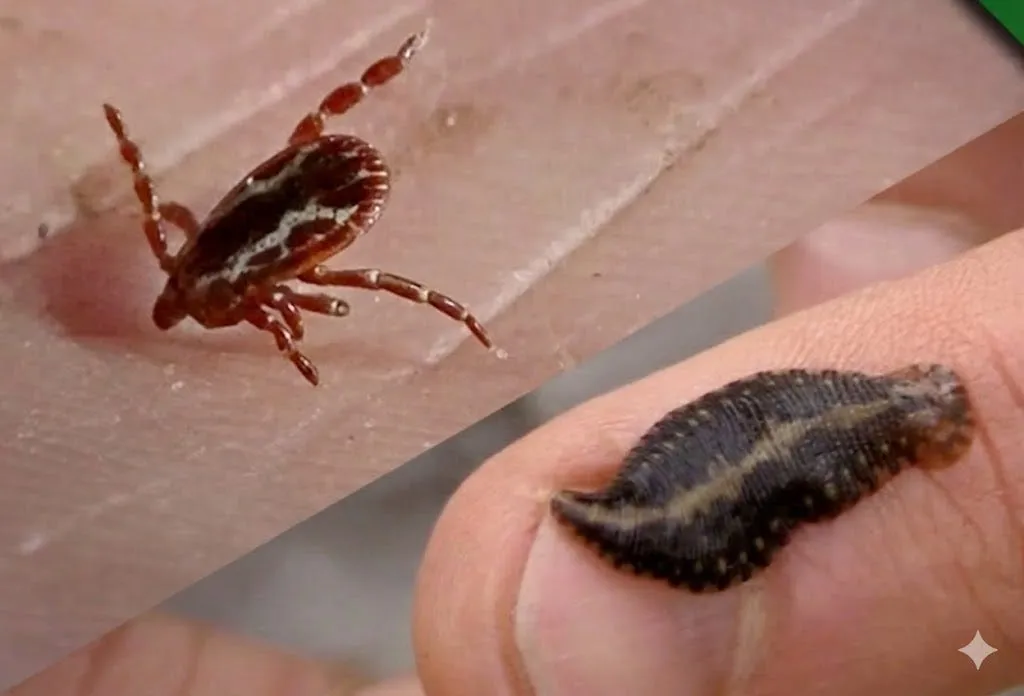
Ticks & Leeches
These are the most primitive predators. They do not hunt; they wait. A tick acts like a biological motion sensor that sits dormant in the grass, sometimes for years, waiting for a single signal.
- The Logic: Purely reactive. They operate on a single line of code: IF [Heat + Movement] THEN [Latch On].
- The Flaw: Zero discrimination. They don’t check what they are biting. They will attach to anything that triggers their sensors, whether it is a human, a dog, or a piece of warm cloth. They are blind mechanisms that cannot distinguish the target — they just react.
2. Pinworms: The Night Raiders
🧠 IQ: 80 Archetype: The Prankster
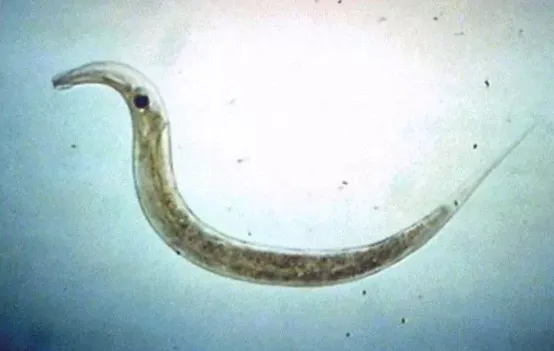
Adult Female Pinworm
A step up from ticks because they understand timing. They affect millions of humans, particularly children.
- The Genius Move: The Itch Cycle. These worms live in the gut but cannot lay eggs there. The female waits until the host is asleep (when body temperature drops and movement stops). She crawls out to lay eggs on the skin using an intensely itchy glue.
- The Trap: The sleeping human scratches the itch, getting microscopic eggs under their fingernails. The next morning, they touch their mouth or food, restarting the cycle.
3. Mosquitoes: The Flying Sensor Arrays
🧠 IQ: 90 Archetype: The Drone (by the way there are +3’500 species but only 100 responsible for majority of human disease).
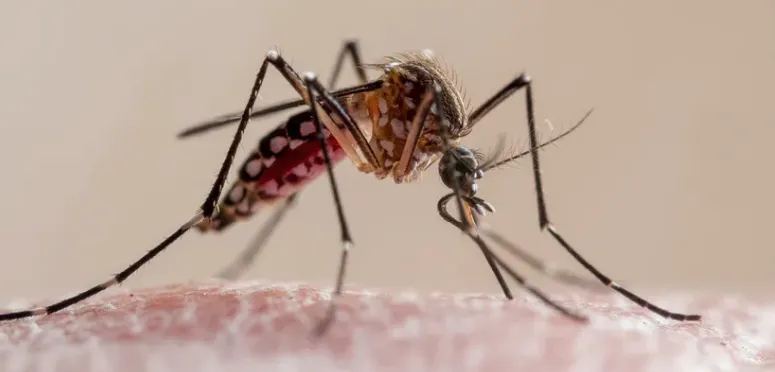
Mosquitoes are a massive technological upgrade. They are not just predators; they are the logistics division of the parasitic army. They solve the single biggest problem parasites face: Mobility.
The Logic: They function as a flying dirty needle. Parasites like Plasmodium (Malaria) or Filarial worms (Elephantiasis) cannot penetrate human skin on their own. They are stranded. The mosquito provides the air-lift and the drill.
The Genius Move: The Bypass. The human skin is a fortress wall. The mosquito is the specialized breach team.
- Targeting: It uses thermal sensors and CO2 tracking to locate a blood vessel with military precision.
- Delivery: It doesn’t just suck blood out; it spits saliva in. In that split second of fluid exchange, it offloads its passengers directly into the bloodstream — the body’s main highway. It effectively “downloads” the malware past the firewall.
The Tech:
- Long Range: Detects CO2 plumes from 50 meters.
- Stealth Mode: Its saliva contains a numbing agent, ensuring the payload is delivered before the host even feels the breach.
4. Bacteria: The Hive Mind
🧠 IQ: 110 Archetype: The Construction Crew / The Infantry
Individually, a bacterium is vulnerable. Together, they form an invincible “Civilization.”
The Logic: Quorum Sensing. Bacteria are capable of voting. They float through your body silently, hiding from the immune system, until they count enough “friends” nearby. Once they reach a critical mass (a quorum), they execute a synchronized shift from stealth to fortification.
The Genius Move: The Biofilm (The Bunker). They secrete a protective slime matrix — a “Extracellular Polymeric Substance (EPS) — a biological concrete” — that anchors them to your tissues. This is not just a shield; it is a game-changer for three specific reasons:
The Multiplier Effect (1,000x Resistance): Once inside a biofilm, bacteria become up to 1,000 times more tolerant to antibiotics than when they are floating freely.
- The Tactical Failure: You cannot safely increase the human dosage of antibiotics by 1,000x without killing the patient. As a result, standard treatments become useless. The “bullets” simply bounce off the wall.
The “Safe House”: These biofilms act as multispecies bunkers. They don’t just house bacteria; they provide a safe haven for parasites, viruses, and fungi. These bunkers are like criminal training camps. Bacteria of different species actually sit together and swap ‘manuals’ (DNA) on how to survive antibiotics. This is called Horizontal Gene Transfer — they are literally teaching each other how to kill us.
- The Glitch: You might take Ivermectin to kill a parasite, but if that parasite is hiding inside a bacterial “slime city,” the drug cannot touch it.
The Cancer Engine: This is the deadliest aspect. Because the immune system detects the fortress but cannot penetrate it, it launches a “forever war.” It fires a barrage of inflammatory chemicals and oxidative stress at the wall 24/7.
- The Result: The biofilm stays intact, but the surrounding healthy tissue is decimated by the “friendly fire.” This creates the Chronic Inflammation that eventually rewrites DNA and triggers cancer.
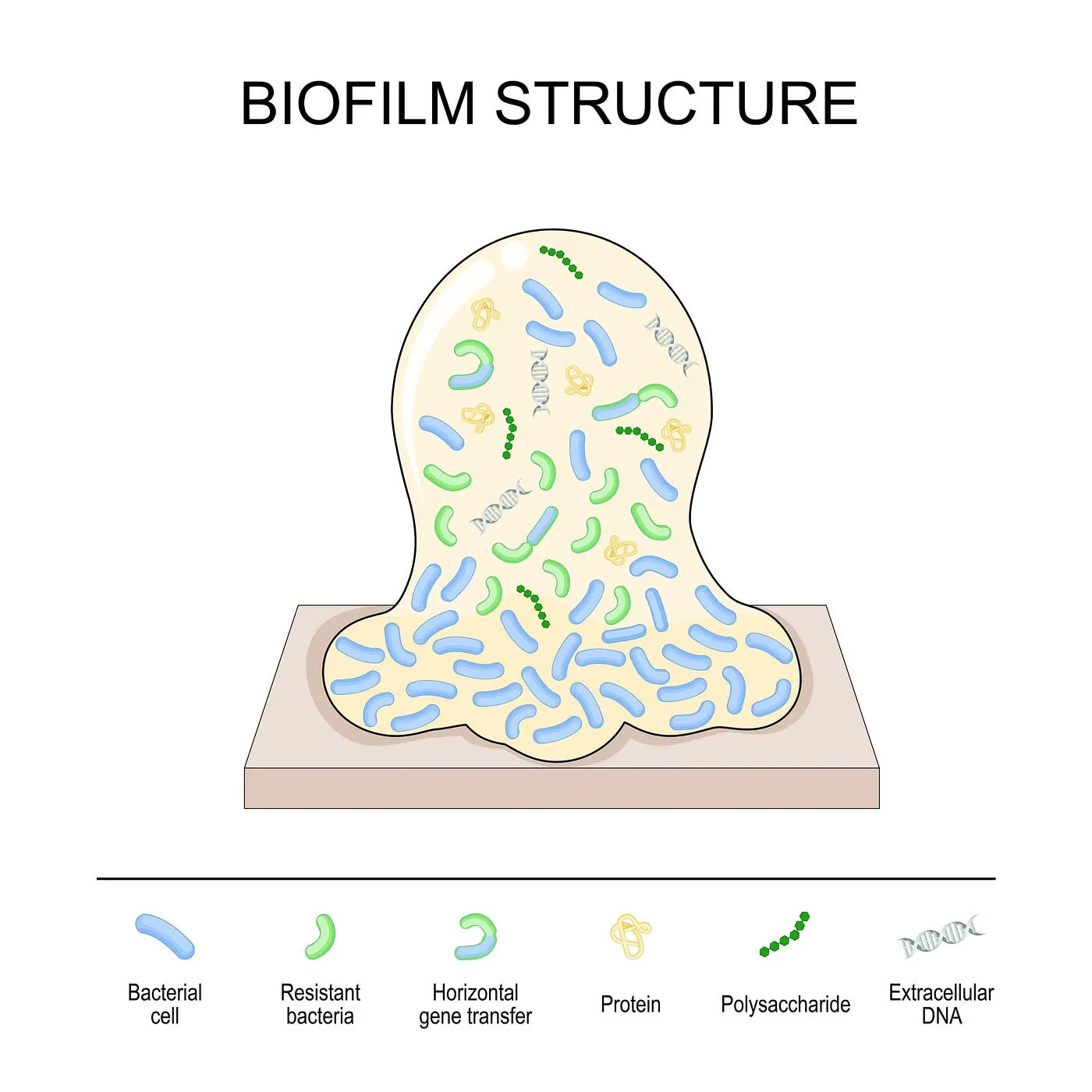
Biofilm Structure — Shutterstock
5. The Genetic Renovator
🧠 IQ: 130 Archetype: The Architect
This is where the war shifts from “hiding” to “remodeling.” This roundworm doesn’t just live in your tissue; it surgically alters it.
The Logic: Most parasites try to avoid the immune system. Trichinella decides to build a bunker out of your own cells.
The Genius Move: The Nurse Cell. When the larvae burrow into your muscle, they don’t just eat. They release chemical signals that hijack the muscle cell’s DNA.
- De-differentiation: It forces the muscle cell to lose its function (it stops being a muscle).
- Infrastructure Hacking: It stimulates Angiogenesis — forcing the body to grow new blood vessels directly to the worm.
- The Result: It turns a healthy muscle cell into a life-support capsule (a Nurse Cell) that feeds the worm for decades. It is the first step toward the “infrastructure theft” used by cancer.
6. Viruses: The Genetic Hackers
🧠 IQ: 130–160 Archetype: The Glitch
Common viruses are like burglars — they break in, steal resources, and leave. But the “elite” class operates on a genius level. They don’t just invade you; they rewrite you.
The Logic: The Mechanical Hijack. Viruses are the ultimate minimalists. To understand their efficiency, look at the structure of a Bacteriophage (pictured). It looks like a lunar lander because it operates with terrifying mechanical precision. It is built for a single sequence: dock, drill, and inject.
The Genius Move: The “Cut & Paste” Once inside, advanced viruses (like Retroviruses) bring a pair of molecular scissors. They physically cut your DNA strand and paste their own code into the gap.
- The Consequence: Unlike a flu virus which your body clears, these become a permanent part of your operating system. In this specific case, you cannot “kill” the virus without destroying the cell, because the virus code has become your code.
The Cancer Link: Disabling the Brakes. This is where they push the system toward cancer. To replicate efficiently, they need your cells to stay alive and keep dividing forever.
- The Hack: Viruses like HPV target the body’s “Emergency Brake” (a protein called p53).
- The Result: By deleting the “Stop” button, the virus forces the cell to divide uncontrollably. It creates the immortality required for a tumor, just to serve its own replication.
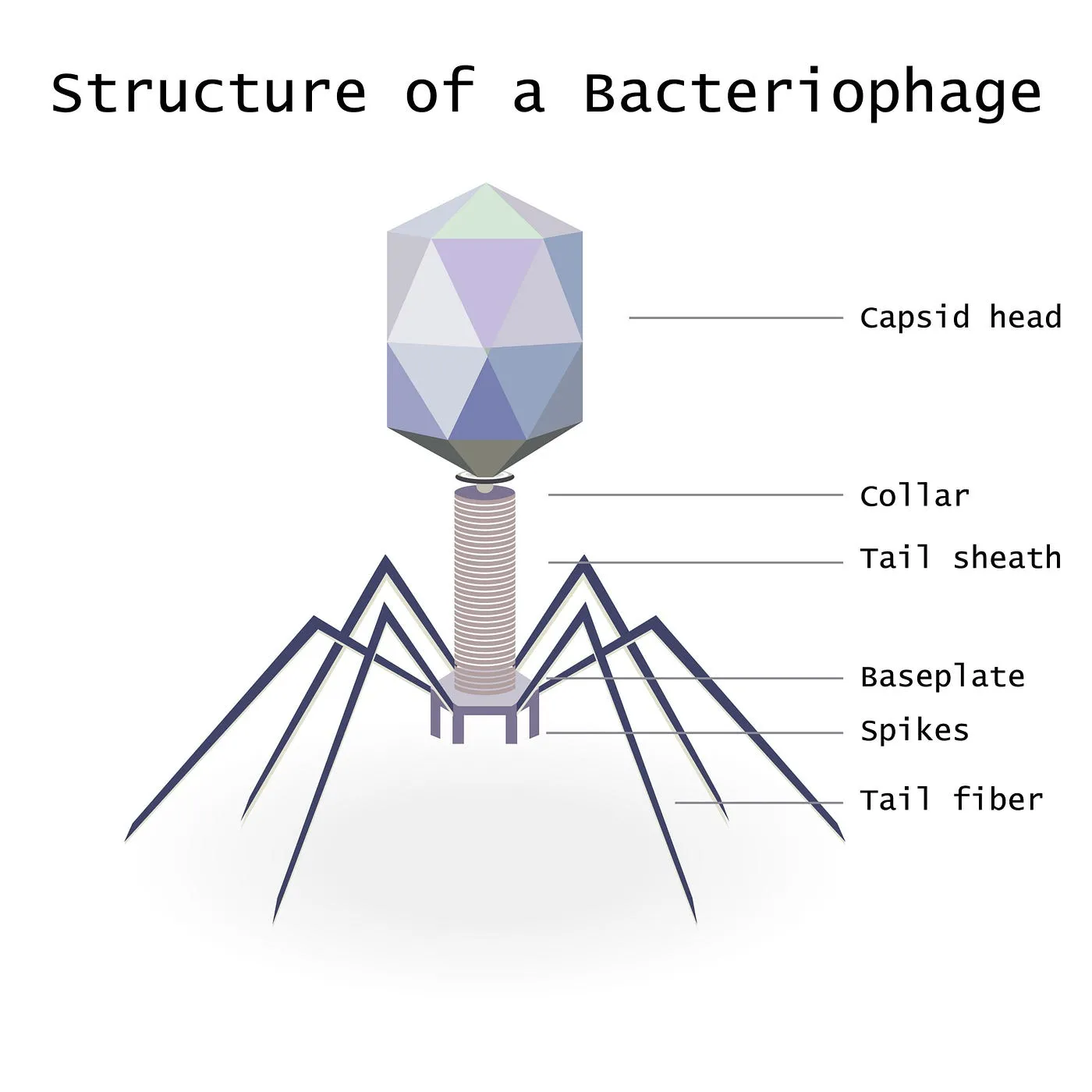
Structure of a Bacteriophage — Shutterstock
7. Schistosomes: The Invisible Spies
🧠 IQ: 145 Archetype: The Cloak
Most parasites are attacked by the immune system immediately. This worm lives inside your blood vessels — the very highway of the immune system — for decades without being caught.
- The Logic: How do you hide from the police when you are standing inside the police station?
- The Genius Move: Molecular Cloaking. The worm snatches proteins from your own blood and glues them to its skin. It wears a coat made of “you.” When immune cells check its ID, they see “Self” and move along.
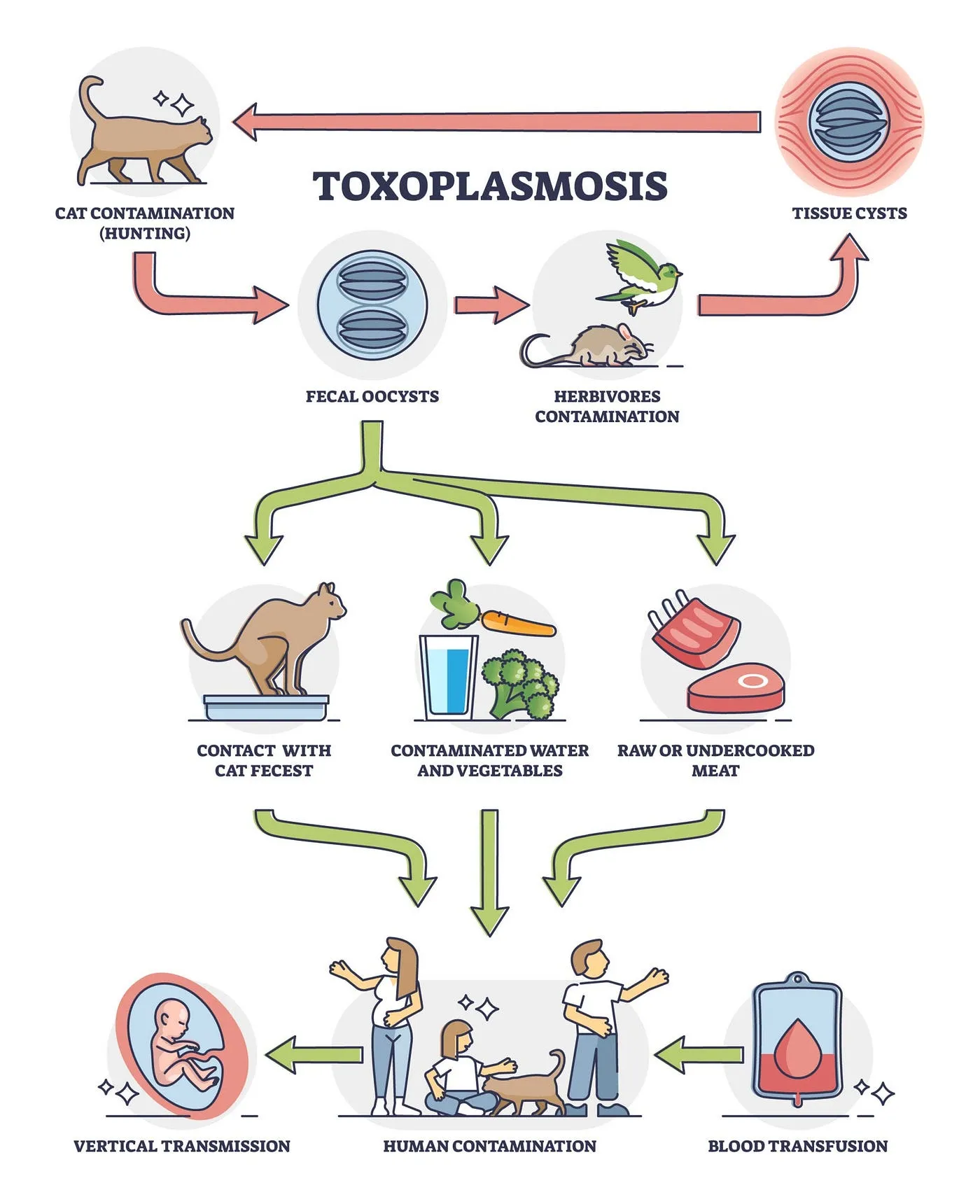
8. Toxoplasma: The Brain Hacker
🧠 IQ: 155 Archetype: The Influencer
This protozoan doesn’t just hide; it rewires the host’s personality to ensure its own transmission.
The Genius Move: Fear Inversion. In rats, it surgically rewires the amygdala to turn the fear of cat urine into sexual attraction. It hacks the “Fear” circuit and hot-wires it to the “Lust” circuit, leading the rat to walk directly into the predator’s mouth.
The Human Hack: The Dopamine Hijack. In humans, the parasite acts as a localized neurotransmitter factory. It carries genes that allow it to synthesize its own dopamine inside your brain.
- The Result: It gently nudges the human brain toward recklessness. Infected subjects show slower reaction times yet higher risk-taking behavior.
- The evidence: Infection is linked to a 2.6x higher risk of traffic accidents, as well as higher rates of schizophrenia and rage disorders. It is chemically manipulating your perception of reality to serve its own survival.
9. Cryptococcus: The Trojan Horse
🧠 IQ: 160 Archetype: Special Ops
Most fungal infections are simple (like Athlete’s Foot). Cryptococcus is a genius.
- The Logic: It needs to reach the brain to cause meningitis* (Meningitis is the inflammation of the meninges, which are the three thin layers of protective tissue that cover your brain and spinal cord)*, but the brain is protected by the Blood-Brain Barrier.
- The Genius Move: The Trojan Horse. When a white blood cell arrives to eat the fungus, the fungus lets itself be swallowed. It survives inside the white blood cell and uses it as a vehicle to drive across the Blood-Brain Barrier undetected. It drives the police car into the vault.
10. Cancer: The Rogue Super-Intelligence
🧠 IQ: +200 Archetype: The Traitor
This is the highest level of destruction and evil. In this phase, the body is actively sprinting toward self-destruction, and the only goal is to do it faster.
Cancer is the highest-ranking entity because it is not an invader; it is you, but upgraded with zero moral constraints. It operates like a machine learning algorithm whose only instruction is “maximize growth,” even if it burns down the server.
The Logic: Hyper-Evolution. While normal evolution takes millions of years, cancer evolves drug resistance in weeks. It learns from your treatments. If you block Path A, it rewrites its code to use Path B.
The Genius Move: Angiogenesis (Infrastructure Hacking). A tumor acts like a hungry city. It releases chemicals (VEGF) that trick the body into building new blood vessels directly to the tumor. It forces the host to build the supply lines that feed the army killing it. 🩸🏗️
The Ultimate Weapon: The “Secret Handshake” (PD-L1). When the immune system (T-Cells) arrives to kill it, cancer displays a “Fake ID” protein called PD-L1. It tells the police, “I am a healthy cell, move along.” The immune system stands down, and the tumor continues to grow in plain sight.
The End Game: Metastasis (Network Colonization). As seen in the diagram, it doesn’t just stay in one folder. It detaches, travels through the bloodstream (the system bus), and establishes new bases in vital hardware (liver, lungs, brain). It is the only entity capable of total system takeover.
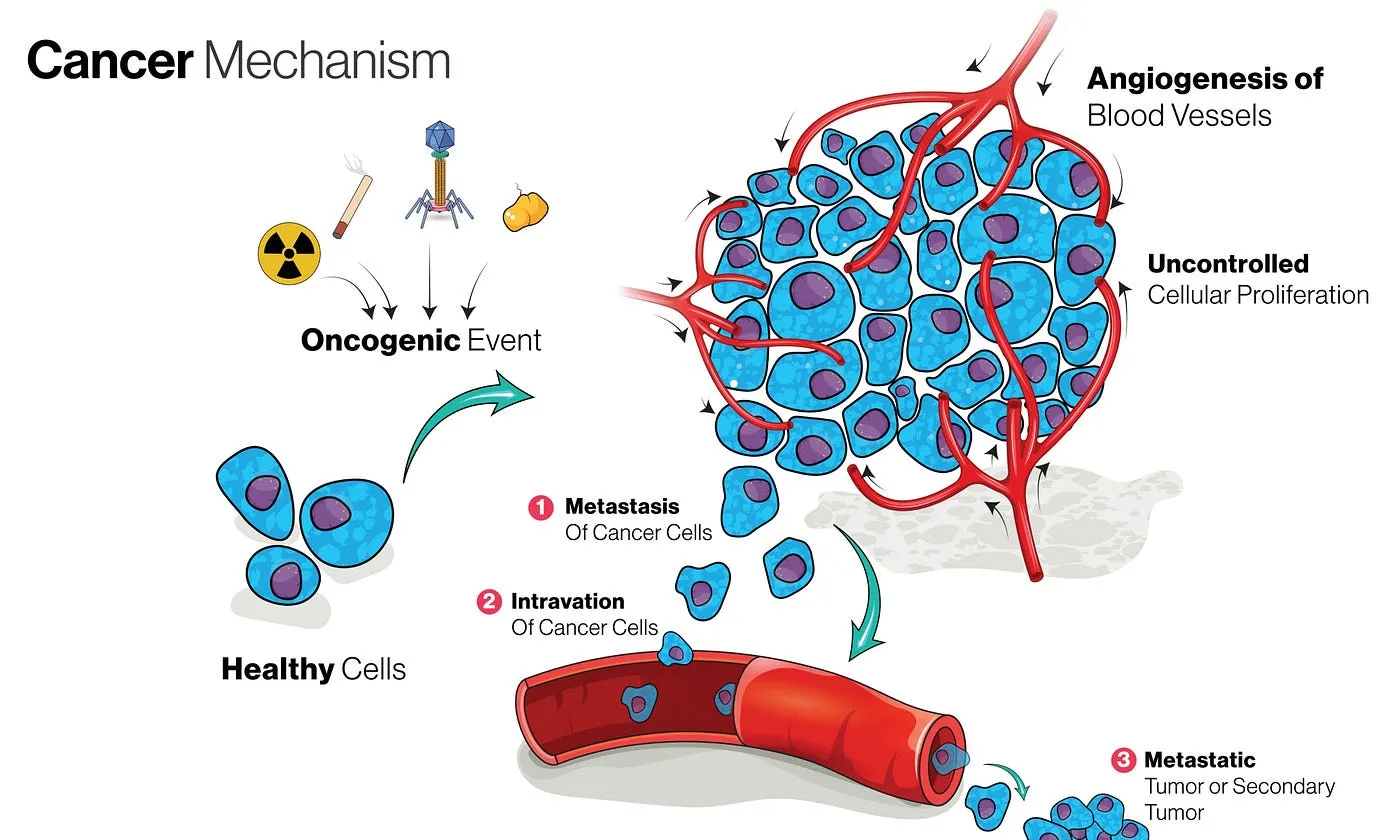
Cancer Mechanism — Shutterstock
While there are many more parasitic species — some extraordinarily effective, such as the jewel wasp (a true neurosurgeon) or the “zombie” fungi — they primarily operate within the insect world. Yet, even with the metaphorical IQ scores assigned to the biological “malware” discussed here, one thing is starkly clear: we are confronting entities that are highly specialized, intelligent, and adaptive.
What is at play is not merely isolated tactics, but long-term strategies, deception, and evolutionary optimization. This is a dynamic, constantly shifting battlefield.
Underestimating these systems — or believing we have fully “figured them out” — is a critical error.
The variables are mathematically impossible to model perfectly.
- The Enemy: There are over 200 distinct types of cancer, 500+ known human parasites, and 3,500+ species of mosquitoes, and so on.
- The “Civilian” Population: The 38 trillion bacteria in your gut (Microbiome) that can act as allies or turn into enemies depending on the environment.
- The Terrain: Factor in co-infections, blood type, genetic predisposition, and Epigenetics — how your stress and trauma literally toggle your genes on and off.
- The Environmental Noise: Heavy metals, microplastics, mold, glyphosate, and endless industrial chemicals interacting with your immune system in unpredictable ways.
You cannot comprehend the full complexity of the war; the numbers are too vast. But you don’t need to save the world. If you can understand just one case — your own — you are already winning.
The Strategic Requirement
Which brings us to the central question: If these entities are so intelligent, numerous, and deeply embedded, how do we actually eliminate them?
To answer that, we must stop “treating symptoms” and start targeting the entity itself. We must understand exactly what we are dealing with. This requires asking precise, structural questions before we administer a single protocol:
- The Status: Is the pathogen currently an egg, a dormant cyst, a larva, or a reproductive adult?
- The Lifespan: How long does the individual unit live?
- The Velocity: How does it replicate, and at what speed?
- The Complexity: How many developmental stages does it cycle through?
- The Adaptation: Does it evolve or mutate in response to pressure?
Without answering these questions, any attempt at eradication is pure guesswork. And in a war against adaptive, billion-year-old systems, guesswork is defeat.
1. How They Outlast Us
To defeat the malware, we must first identify the operating system it runs on. In biology, “parasite” is a deceptive umbrella term. It suggests a single type of enemy, but it actually covers two distinct kingdoms of life, each with a radically different strategy for surviving inside you for decades.
Helminths (The Macro-Invaders): The Strategy of Longevity These are multicellular worms (Roundworms, Tapeworms, Flukes). Their strategy is to grow large, anchor themselves, and live a long life.
- Lifespan: A single adult worm can live inside a human host for 10 to 30 years. They are not transient visitors; they are long-term residents.
- Defense: They are incredibly difficult to kill because they physically hide. Some species encase themselves in protective cysts within muscle tissue or organs (like the liver or lungs), effectively building a bunker that immune cells and drugs cannot penetrate.
Protozoa (The Micro-Replicators): The Strategy of Immortality
These are microscopic, single-celled organisms (Giardia, Amoebas). They do not live long as individuals; instead, they rely on speed.
- Lifespan: While a single cell dies quickly, the colony is biologically immortal. They live on a stopwatch, not a calendar. An individual cell might exist for only 8 hours before splitting. They don’t try to survive; they try to double. Through rapid binary fission (splitting in two), they produce endless generations. A protozoan infection can persist for decades, not because the individual survives, but because the lineage never breaks.
2. The Mechanics of Survival (Lifecycles)
If we want to interrupt their execution, we must understand their code. The lifecycle of a parasite is not a straight line; it is a loop designed for persistence.
A. The Cycle of the Worm (Linear Progression)
Worms generally follow a developmental progression.
The Egg (The Bunker): Dormant and enclosed in a shell so resistant it can survive harsh weather and chemicals for months. Its sole purpose is transmission. When they aren’t dividing, they are waiting.
- Giardia Cysts: Can survive in cold water for 2–3 months.
- Toxoplasma Oocysts: Can survive in soil for up to 18 months.
- Toxoplasma Tissue Cysts (in the brain): Can remain dormant and viable for the entire lifespan of the human host (decades).
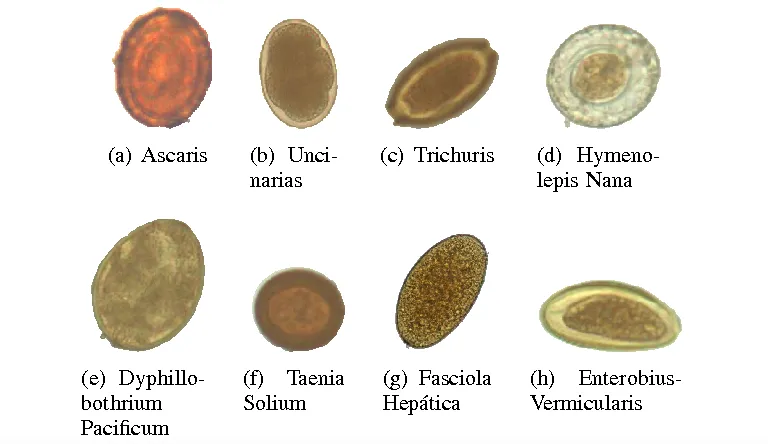
Digital microscopic images of each of the parasite egg cell types
The Larva (The Infiltrator): Upon hatching, this mobile form migrates. Many species execute a strategic “Search and Secure” maneuver, breaching the gut wall to navigate your internal highways (blood, lymph, and tissue). This systemic migration is the ultimate “Fog of War” — the larvae can be stationed in your lungs, liver, or even your brain while you are busy treating the original point of entry. It creates a diagnostic nightmare of shifting symptoms: a skin rash today, a chronic cough tomorrow, and joint pain next week. If you only treat the “headquarters” in the gut while the mobile infantry is occupying your vital organs, the war is already lost.
The Adult (The Factory): The final form that establishes a permanent residence within a specific organ or tissue and begins reproduction. Adults are larger, slower, and far less mobile than larvae, but vastly more durable. Their primary function is egg production, often at extraordinary scale — thousands to hundreds of thousands per day — ensuring transmission beyond the current host.
To survive long-term, adults secrete compounds that dampen or redirect the host’s immune response, reducing inflammation and preventing expulsion. This immune modulation allows them to persist for years, sometimes decades, with minimal acute symptoms. Many species feed directly on host nutrients such as blood, glucose, or bile, gradually depleting resources without triggering immediate alarm.
Egg release is often intermittent rather than constant, synchronized with host physiology and environmental conditions, which makes detection difficult. As long as the host remains alive and functional, the adult remains in place, producing offspring and maintaining the cycle.
B. The Cycle of the Protozoa (State Toggling)
Protozoa do not follow a single linear developmental path. Instead, they alternate between functional states in response to environmental pressure, allowing rapid adaptation to changing conditions within the host.
- The Cyst (The Trojan Horse): A dormant, thick-walled form designed for survival outside the host and for safe passage through hostile environments. Cysts resist stomach acid, digestive enzymes, and many chemical disinfectants, including standard chlorination. In this state, metabolic activity is minimal. The organism is not feeding or dividing; it is waiting. Activation occurs only when conditions inside the host become favorable.
- The Trophozoite (The Feeder): The active, motile form responsible for feeding, growth, and replication. Trophozoites attach to tissues or remain free-floating, consuming nutrients directly from the host. This stage is vulnerable to immune attack and antimicrobial agents. When exposed to stress — such as drugs, herbal compounds, or immune activation — many protozoa initiate encystation, reverting to the protected cyst form to survive until the threat passes.
3. The Failure of Modern Weapons
Here lies the critical error in most medical and alternative treatments. We assume that because we have powerful drugs, we can “nuke” the infection in one go.
The Reality of Drug Resistance: Even widely used antiparasitic agents such as ivermectin and fenbendazole have defined limits. Their effectiveness depends on the organism’s biology, the developmental stage present, and the location of the parasite within the host. Survival does not require total resistance; it only requires that some forms remain untouched.
- Stage Blindness: Most antiparasitic drugs are stage-specific. They are effective against metabolically active forms — adult worms in the gut or circulating larvae — but they have little to no effect on dormant stages. Eggs are protected by resilient outer shells, and cysts or tissue-embedded larvae are largely inaccessible to circulating compounds.
- The Gap: No single drug currently exists — and no standard combination of drugs — that reliably eliminates every developmental stage of every parasite species in a single dose. Treatments that appear successful may simply be suppressing the visible forms, leaving dormant stages intact and capable of re-emerging once pressure is removed.
4. The Protocol of Persistence: Why One Battle Isn’t Enough
Eradication is a marathon, not a sprint. Because we cannot kill the “bunkers” (eggs and cysts) while they are dormant, we are forced to fight on their timeline. Any attempt at eradication that ignores this is simply a suppression of symptoms, not a cure.
Because no weapon can destroy the “bunkers” (eggs and cysts), and because the enemy can live for decades or regenerate indefinitely, we cannot rely on a single strike. We must adopt a strategy of Pulse Dosing that accounts for their hatching schedules.
The Strategy: The 4 Month Reset A standard “one-week course” is a trap; it eliminates adult organisms, creating the illusion of victory, while the eggs remain unaffected. Within one to three weeks, these hidden forms hatch and restore the colony. To actually delete the “malware” from every sector of your hard drive, we must use Pulse Dosing across 3 to 4 full cycles. Consistency is the only lethal weapon.
1. The First Cycle (3 Weeks): The Toxic Shock
This is the heavy lifting — and often the most brutal phase. As you kill the active adults and massive loads of protozoa, they do not simply vanish. They die inside you, releasing a flood of accumulated neurotoxins and viral payloads.
- The “Viral Cargo” (Hyper-Parasitism): In our malware analogy, parasites are often “Russian Nesting Dolls.” Large worms can carry their own internal infections of bacteria and viruses. When you kill the adult, it dissolves and releases its internal payload — Lyme bacteria (Borrelia), molds, or ancient viruses — directly into your bloodstream. This is why some people “clear” a parasite but then develop a new mystery illness; they’ve neutralized the carrier but released the infantry.
- The Heavy Metal Spill: Parasites act as “heavy metal sponges,” sequestering metals like Mercury, Lead, and Cadmium at concentrations hundreds of times higher than your own tissues. They are shielding themselves with your toxins. When they die, you are managing a concentrated “toxic spill.”
The Reaction (Herxheimer vs. Mazzotti): You will likely get really, really sick. This is a “toxicity overdose” caused by biological collapse.
- Herxheimer Reaction: The systemic inflammatory response to endotoxins released by dying bacteria and protozoa.
- Mazzotti Reaction: A complex, often more severe clinical syndrome specifically associated with the death of microfilariae (worm larvae).
The Reality: You are managing a toxic waste site while trying to heal. This is also why Biofilm Disruptors (enzymes like Protease) are critical — you have to dissolve their “slime shields” before the treatment can reach the target.
2. The Hatching Window
Between treatment cycles, activity does not stop. Dormant eggs and cysts that survived the initial strike require time to activate. This window exists because these forms cannot be killed while inactive, not because pressure is removed.
If treatment ends here, the cycle resumes: newly hatched organisms mature, reproduce, and restore the infection. The objective of this interval is simple — allow hidden stages to become vulnerable so they can be eliminated in the next cycle.
3. Subsequent Cycles (Mopping Up): Breaking the Lineage
We strike again for another 3 weeks, repeating the process 2 to 3 more times. These rounds are usually less physically punishing because the “toxic load” is lower, but they are the most important. We are killing the new generation of larvae before they have the chance to mature into adults and lay a fresh batch of eggs.
The Total Timeline: When you account for the treatment blocks and the necessary breaks, the entire process takes roughly 3 to 4 months. This duration is non-negotiable. It is the only way to outlast deep-tissue cysts and slow-hatching eggs, finally breaking the colony’s dominance and giving the human immune system the upper hand.
In this war, consistency is the only lethal weapon.
🧩 Parasites — The Virus in the Simulation
Think of parasites as the perfect biological malware:
self-replicating code that lives off the host, adapts fast, hides well, and never fully dies out. They keep the “simulation” dynamic by injecting entropy (challenge, mutation, adaptation).
The Bridge: From Strategy to Sabotage
The taxonomy culminates with Cancer at the top — the rogue super-intelligence. But when the hierarchy is examined as a system rather than a list, a chilling realization emerges: the highest-ranking entities do not act alone.
Parasites are not passive passengers. They are long-term system infiltrators — architects of chronic inflammation, immune exhaustion, and metabolic distortion. They do not crash the system outright; they reshape the terrain over time.
Viruses and other microbial agents exploit what parasites prepare. This leads to the most critical discovery in this war.
The relationship between the “Hacker” (parasites, supported by viruses and microbes) and the “Traitor” (cancer) is not a coincidence of biology. It is a functional partnership.
Parasites destabilize regulation, degrade immune oversight, and normalize chaos. Cancer capitalizes on that chaos — turning chronic damage into autonomous expansion.
What appears as separate threats is, in reality, a layered sabotage:
long-term infiltration followed by internal takeover. Strategy becomes sabotage — not from outside, but from within.
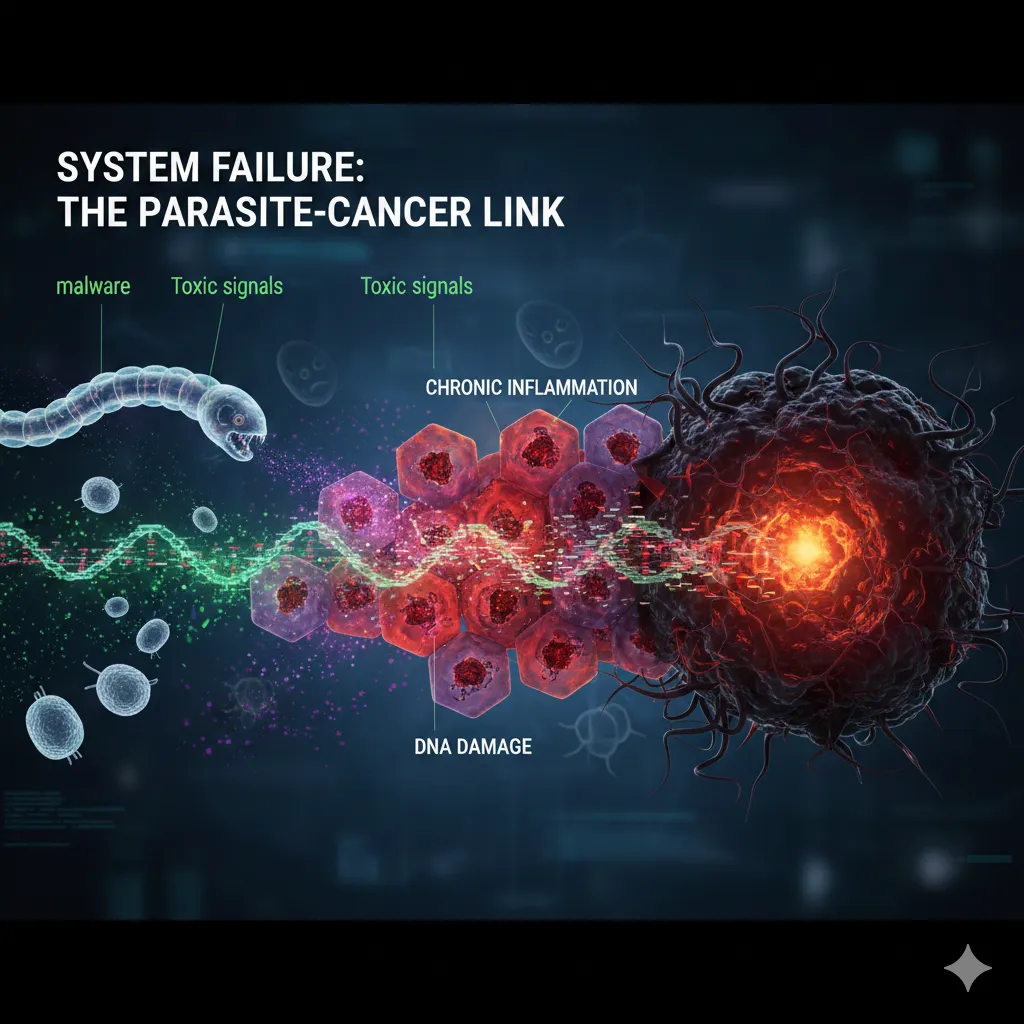
How Parasites Push Cancer Into Existence
Parasites don’t usually mutate into cancer. That would be too obvious.
Instead, they do something far more effective: they poison the environment until cancer becomes inevitable.
Think of cancer not as a random glitch, but as an emergent failure of a corrupted system. Parasites operate like long-term malware. They don’t crash the operating system on day one. They sit quietly in the background, generating heat, noise, and errors — chronic inflammation, immune exhaustion, chemical stress — until the code begins to rewrite itself incorrectly.
The Pressure Cooker Effect
A tissue under constant attack is forced into endless repair mode. Cells divide more often. DNA is copied faster. Errors accumulate. Mutations slip through. This is not bad luck. This is pressure.
Some parasites stick to organs and never leave, slowly damaging tissue and releasing harmful waste. Others interfere with the body’s signaling systems, pushing cells to divide more often than they should — increasing the chance of errors during division, which can lead to cancer.
Meanwhile, the immune system — the body’s internal police force — is exhausted, distracted, and sometimes deliberately blinded. Tumor surveillance drops. Rogue cells slip past unnoticed.
The Deep Hack: Beyond Inflammation
In certain infections, the damage goes even deeper.
- Microbiome Sabotage: Parasites alter the gut flora, shifting pH and starving beneficial bacteria, allowing toxic metabolites to accumulate.
- Genetic Shrapnel: Others leave behind fragments of foreign DNA embedded in host tissue — scars of ancient battles that never fully healed.
This is why specific parasites are now classified by the World Health Organization as Group 1 Human Carcinogens. They are confirmed killers.
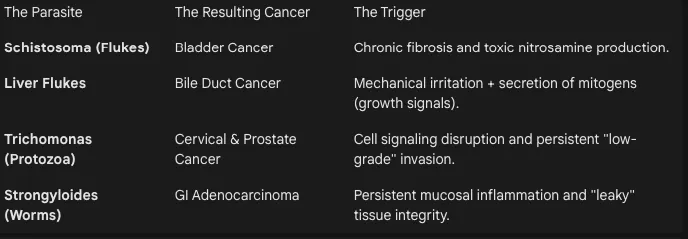
Not because the parasite became cancer — but because it trained the terrain.
The System Failure Model
Cancer doesn’t need to be introduced. It needs to be invited. And parasites are exceptionally good hosts.
Cancer is what happens when survival pressure outpaces regulation. Parasites accelerate that pressure by:
- Keeping tissues inflamed (The constant friction).
- Disrupting immune command structures (The tactical blindfold).
- Flooding cells with chemical stress (The gasoline).
- Forcing continuous regeneration under hostile conditions (The error-prone copy).
In that environment, mutations aren’t rare. They are statistically guaranteed.
So the real question isn’t “Can parasites cause cancer?” The evidence already says yes.
The real question is this: How many cancers are downstream consequences of wars we never realized we were fighting?
Because if parasites are the malware, cancer is the corrupted file that finally refuses to open.
The Silent Recursion: Why They Return
This realization changes the nature of the war. We are no longer just attacking a tumor; we are debugging the system.
There is no such thing as a “cure” for a tumor without a total cleanup of the internal environment. This is the tragic reason why most cancers return: the medical system kills the cancer, but the underlying conditions that invited it remain untouched. In many cases, those conditions grow even stronger as the host becomes weakened by the battle. You can delete the corrupted file, but if the malware is still running in the background, the file will simply be rewritten.
To truly win, we must move beyond suppression and into systemic restoration.
Don’t be fooled. Modern oncology does not operate on a cure paradigm. It operates on a control paradigm — it’s all mostly outdated protocol’s of Big Pharma. Tumors are reduced, growth is managed, timelines are extended — but the internal environment that produced the disease is rarely addressed. That is why recurrence is so common. The protocol treats the outcome, not the conditions. We are interested in the conditions.
I am looking forward to sharing exactly what we’ve learned so far in this fight. In the next article, I’ll go deeper into how they’re making us sick — not with one poison, but with a system. Sugar. Alcohol. Heavy metals. Chronic chemical exposure. A steady load that strains the body, drains repair capacity, and weakens immune defense until the system starts failing — and cancer becomes the end result, not an accident. I’ll also share how to start stepping out of this, one move at a time: what worked for us, what didn’t, and the foundations to take your life back.
Pristine 20.12.2025