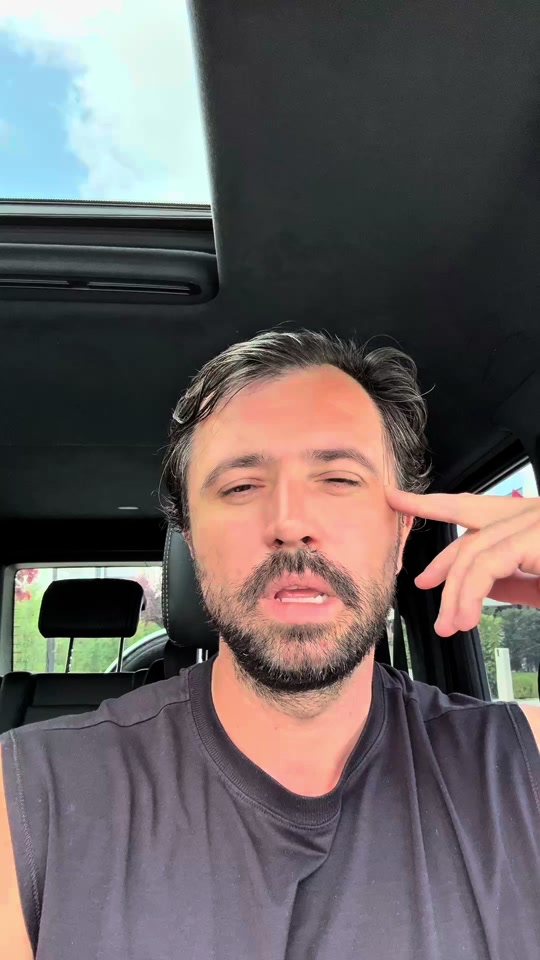
I begin with the hope people put into politics: if this person wins, if this party wins, if our side finally gets its chance, everything will improve. I understand the wish to believe that somebody else can carry the responsibility.
Then I think about my children. I want more than a victory to celebrate. I want a country where problems actually get resolved, and where people can sit at the same table without the discussion collapsing into insults.
Put one problem on the table
In the video I mention roads, construction and energy costs as examples of frustration. The useful next step is to make each complaint specific enough that somebody can investigate and act on it.
Consider a hypothetical delayed road project. Before arguing over which side cares more, identify the project, the responsible institution, the promised completion date and what remains unfinished. Then ask for a revised plan that can be checked. This is an example of a method, not a report about a named contract.

| Question | What would make the answer useful? |
|---|---|
| What is wrong? | A defined problem and evidence of its effect |
| Who can act? | The responsible institution and its actual powers |
| What is proposed? | A clear action, cost and timetable |
| Did it work? | A result compared with the starting position |
I do not verify the video’s electricity-price multiplier here. A valid comparison would need dated tariffs, the same consumption and charging rules. Repeating a large number without those inputs would make the complaint louder, not more reliable.
Values and public responsibility
Faith and family are part of how I speak about leadership in the clip. I also make broad religious comparisons. Those comparisons should not be treated as evidence that a person without religious belief lacks morals, or that a religious label establishes good government.
Kosovo’s Constitution describes the state as secular and neutral in matters of religious belief in Article 8; Article 38 protects freedom of belief and conscience.[1] Personal convictions matter to people, while public decisions still need reasons and standards that citizens with different convictions can examine.
For the question I raise—what future we leave our children—the relevant public test is what a leader does: how they listen, explain decisions, accept scrutiny and work with others to deliver something useful.
Cooperation is not a surrender of judgment
I do not believe one person has every answer. That is the clearest statement in the video. A person who can admit a limit and work with someone else may be more useful than somebody who insists that disagreement proves everyone else is stupid.
Working together does not mean ignoring wrongdoing or abandoning scrutiny. It means keeping the problem visible while people argue about the solution. My article on political disagreement makes the same case for separating criticism from contempt.
The question is not only who gets the microphone. It is whether something gets better after the speeches end.
Sources and calculation notes
-
[1] Constitution of the Republic of Kosovo, Articles 8 and 38, official gazette text. The project questions are an editorial framework, not a claim about a legal procedure.
-
Personal political reflection from the original video. No current election date, named official’s beliefs, electricity multiplier or specific construction delay is verified or asserted. The road-project example is hypothetical.
-
Original video and thumbnail: Eduard Luta on TikTok. Published 2026-06-02. Research checked 27 September 2026.