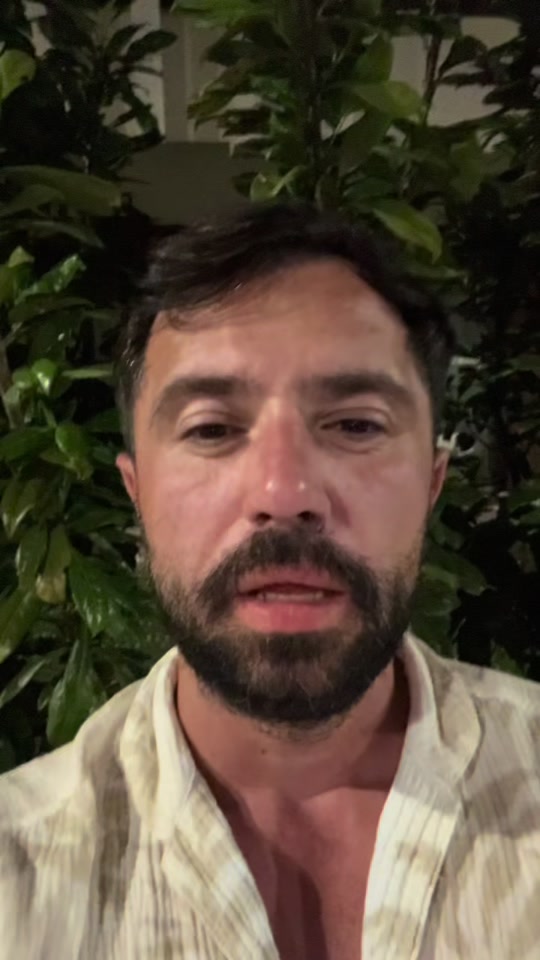
My 20 June video is an angry reaction to the way people were treated during the pandemic. I talk about pressure to accept medical interventions, restrictions on ordinary life and the feeling that dissent was treated as a defect.
The underlying question is about bodily autonomy: how do we protect public health while respecting a person’s ability to ask questions and make informed decisions? It is a serious question. So are the factual claims made while arguing about it.
Research note, 28 September 2026: the original video is preserved above. The following evidence checks are added context, not a transcript, a medical consultation or a claim that every assertion in the recording is correct.
Does the evidence support the cancer claim?
The video links COVID vaccination to aggressive cancer. The National Cancer Institute states that there is no evidence that COVID-19 vaccines cause cancer, cause it to recur or make it progress. The recording supplies no clinical evidence that overturns that assessment. Its cancer claim should not be treated as established fact. NCI’s explanation.
An illness occurring after a vaccination is a reason to investigate, not proof of its cause. A useful comparison needs the number of people observed, their other risks, the time period and an appropriate comparison group. A sequence of alarming stories cannot supply those missing pieces.
Known risks deserve precise language
There are recognised adverse effects. CDC describes rare myocarditis and pericarditis after COVID vaccination, most often in adolescent and young adult males shortly after a second mRNA dose. Chest pain, breathlessness or palpitations after vaccination warrant medical assessment. Individual decisions belong with a qualified clinician. CDC safety guidance.
Acknowledging a specific risk does not establish that every subsequent collapse or illness has the same cause. Equally, correcting a false claim should not mean dismissing someone’s symptoms. Precision makes both accountability and care possible.

Were the vaccines untested?
The video calls them untested. The FDA’s December 2020 emergency-authorisation review of the Pfizer-BioNTech vaccine contains clinical-trial evidence and discusses both findings and limitations. Emergency authorisation and full approval are different regulatory decisions, but neither the speed of development nor the emergency label means that no testing occurred. The original FDA review.
Testing also does not mean every uncertainty disappears before use. That is why the questions should be specific: which product, which outcome, which population, and what was known at the time?
What did the June intelligence release establish?
The video refers to a real 18 June 2026 ODNI release associated with Director Tulsi Gabbard. It makes allegations concerning Anthony Fauci, Wuhan research funding and influence over intelligence assessments. That establishes what ODNI alleged; the release is not a court judgment or a clinical study demonstrating vaccine-caused cancer. Its claims about the origin of the virus and institutional conduct need to be evaluated on their own evidence.
Putting those subjects into one story can make it sound as if proof of one automatically proves all the others. It does not. The cause of an outbreak, the ethics of restrictions, the safety of a medical product and an official’s conduct are related topics with different evidential requirements.
The concern that motivated the video remains understandable as a concern about power and trust. The article’s job is to keep that concern visible while making clear where the evidence does—and does not—support the medical assertions.
Sources and calculation notes
-
NCI: COVID-19 vaccines and people with cancer. Used for its cancer-causation statement; its older vaccine schedules are not reproduced as current guidance.
-
CDC: safety considerations, updated 23 September 2026. No universal adverse-event percentage or individual recommendation is inferred.
-
FDA: original Pfizer-BioNTech emergency-use review, December 2020. A historical evidence record, not current eligibility advice.
-
ODNI’s archived 18 June 2026 release. Allegations are attributed to their issuer; they do not substantiate the separate cancer claim.
-
Original video and thumbnail: Eduard Luta on TikTok. Published 2026-06-20. Research checked 28 September 2026.