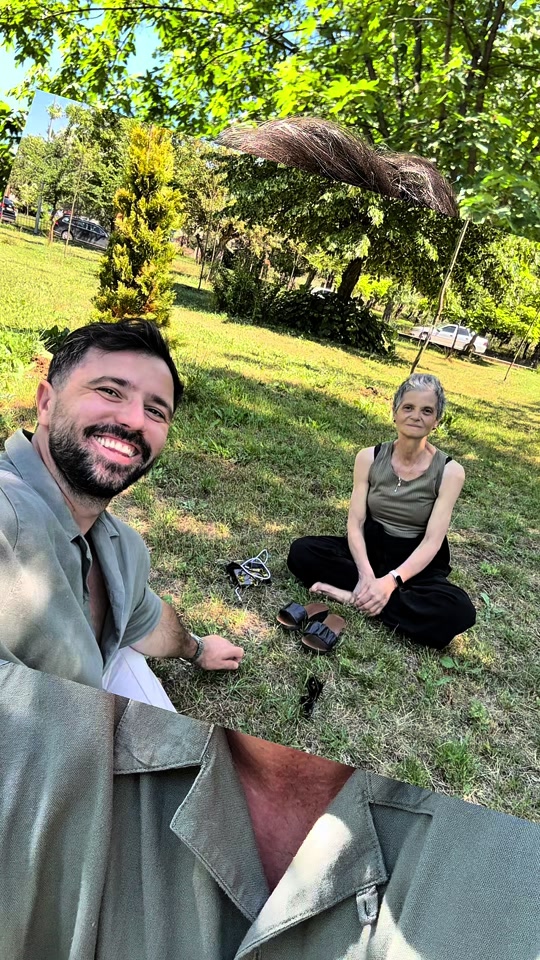
One of the things I talk about in this video is the anger that can arrive with illness. Why me? Why now? A person is already exhausted, already facing something frightening, and then has to find energy for everyone else’s reactions too.
I was thinking about my mother. In the video I describe time in nature, breathing practices, meditation and prayer as things we had explored together. That is a personal account of seeking comfort.
Medical context: these experiences do not establish a cancer treatment. The video’s explanations about releasing negative energy into the ground or healing through extra oxygen are not demonstrated by this family experience. Breathing exercises should not replace care, and new or worsening symptoms belong in a conversation with the treating team.
The feeling does not need to pass an exam
The National Cancer Institute describes anger as a common response to cancer and encourages people to discuss difficult feelings with someone they trust or a professional. A person does not have to pretend everything is fine. [1]
That matters for a phrase in my video that criticises complaining or becoming a victim. Taken as a rule, that wording could close the very space I am trying to open. Speaking about pain, fear or unfairness is not a failure. A patient should not have to package distress attractively before someone listens.
The useful question is not whether the feeling is acceptable. It is what support the person wants.

An invitation can stay small
Going outside might mean sitting together for a little while. It does not have to become a programme, a ritual or a test of belief. If the person would rather stay inside, that answer counts too.
Prayer can have personal meaning without becoming a prescription for somebody else. Silence can be welcome without being proof that anything medical has changed. The care team can advise whether a particular activity suits the person’s condition and treatment.
It is possible to offer too much: another method, another hopeful story, another instruction to be positive. The intention may be love. The experience for the patient may be work.

Give the person a choice
A few ordinary sentences can keep the invitation open: would company help? Do you want to talk, or would you prefer something practical? Shall we ask the team about this symptom?
These are suggested ways of speaking, not quotations from a conversation with my mother. Their purpose is to leave the decision with the person living through the day.
Family members need somewhere for their own fear as well. That should not mean asking the patient to reassure everybody else. A separate conversation with a trusted person or professional can make room for that burden.
The companion article on cancer, emotions and meaning looks at the same boundary from another side: support has value without being a promise of cure.
You can sit beside someone without asking them to become different first.
Sources and calculation notes
-
[1] National Cancer Institute: Emotions and Cancer. Emotional responses and support options; not evidence for grounding or an oxygen-based cancer cure.
-
Nature, prayer and breathing practices are described as personal experiences in the video. No treatment outcome is measured or inferred. The visuals are conversation guides.
-
Original video and thumbnail: Eduard Luta on TikTok. Published 2026-06-11. Research checked 26 September 2026.