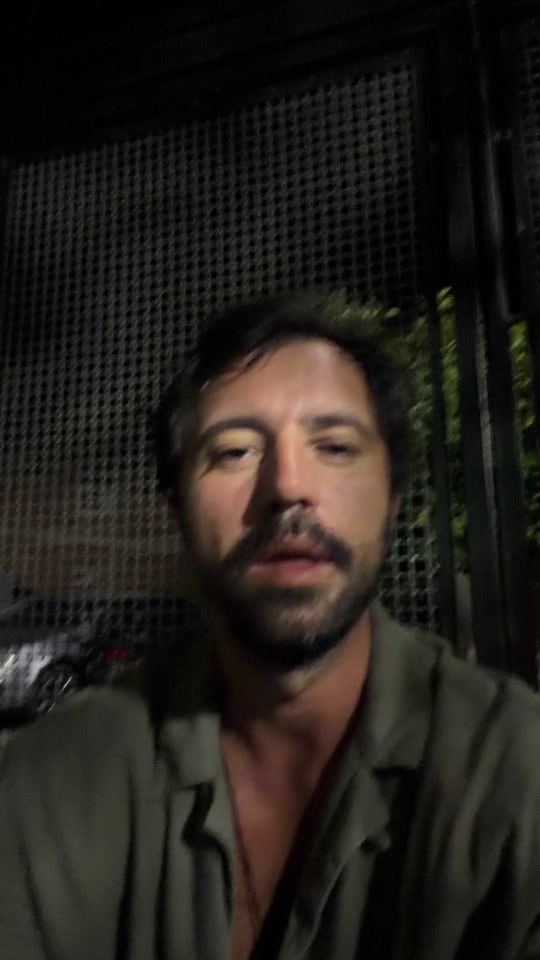
The message in this video is short: believe what you believe, but do not insult people over it.
I connect that appeal to Albanian religious tolerance and to the importance of staying together. That is the value I am defending. I do not need everybody to arrive at the same answer about God before we can share a community.
Difference does not have to become contempt.
Tolerance still leaves room for disagreement
Respect is sometimes confused with pretending that every belief means the same thing. It does not. People can disagree seriously about scripture, religious institutions, spiritual experiences or the absence of belief.
The question is how we treat the person while discussing the idea. “I do not accept that argument” leaves room for a conversation. An insult usually gives us a different conversation altogether: one about defending ourselves.

A principle wider than one community
Article 18 of the Universal Declaration of Human Rights protects freedom of thought, conscience and religion, including changing a belief. It also recognises expression of religion or belief individually or with others. ¹
That gives a clear reference point: the freedom I want for myself must also leave room for someone whose conclusion differs from mine.
In the video I describe tolerance as important to Albanian survival. That is a broad historical interpretation, not a claim this short article can prove as a single cause. The practical request stands without reducing a complicated history to one sentence.
Before posting the reply
Ask whether the reply addresses an idea or attacks the person’s worth. Ask whether you would say it the same way sitting beside them. Then decide what you actually want the conversation to achieve.
These are my suggested questions, not rules that remove anyone’s right to criticise religion. Strong criticism and basic dignity can exist in the same sentence.
Keep your conviction. Leave the insult out.
Sources and calculation notes
-
¹ United Nations: Universal Declaration of Human Rights, Article 18, the primary text on freedom of thought, conscience and religion.
-
The article expands the original 22-second appeal. Its historical framing is identified as the creator’s interpretation; no claim of universal tolerance or absence of historical conflict is made. The visual is an editorial distinction, not survey data.
-
Original video and thumbnail: Eduard Luta on TikTok. Published 2026-08-20. Research checked 26 September 2026.