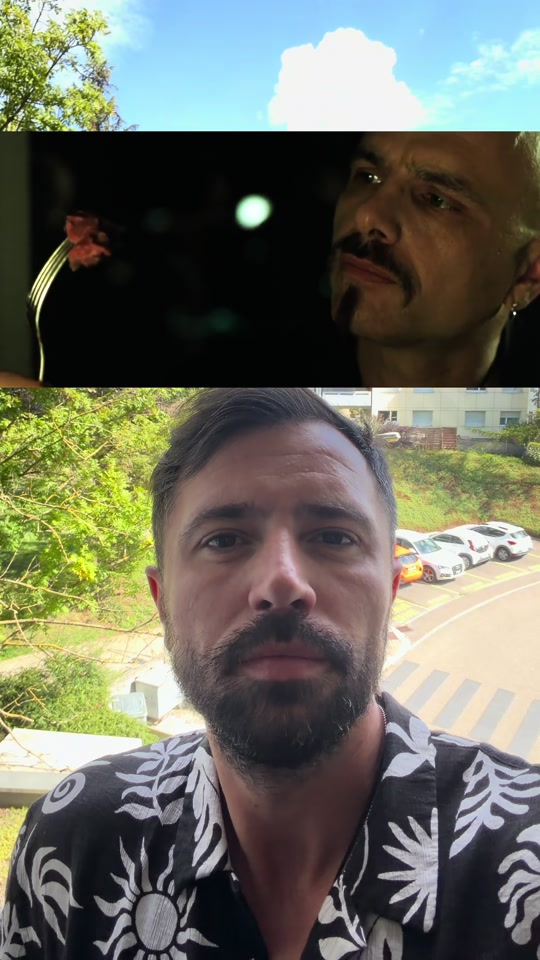
I came across profiles that I understood to be artificial characters, with huge audiences. What stayed with me was the human attention around them. People wanting to talk, connect, feel something.
In the video, I turn that observation into a challenge: put some of that attention back into your own life. Learn something. Look after your body. Make room to reflect. And do not disappear into isolation while calling it self-improvement.
I cannot diagnose the followers of a profile. A follower count does not tell me who is lonely, who knows the character is fictional, or who simply enjoys the content. The useful question is closer to home: what does my own use of the screen leave me with?
Connection is a real need
The World Health Organization’s 2025 social-connection report estimates that 15.8% of people globally experience loneliness. That is a population estimate, not a statistic about AI users or Albanians. It gives context to the need for connection; it does not prove that artificial profiles caused it. WHO explanation.
A message from a real friend and a personalised reply from a fictional character may both feel comforting. I still want to know which relationship can hold mutual responsibility. Can we disagree? Can we meet? Do we both have a life outside the exchange?
Give the intention a place in the week
Here is a modest planning example, not a treatment or a promise of transformation. Set aside 20 minutes on five days to learn one useful skill. Add two 30-minute conversations or walks with people you know, and ten minutes of reflection on each of those five days.

That is 100 + 60 + 50 = 210 minutes: three and a half hours in a week. The point is not that everyone has spare time lying around. It is that “work on yourself” becomes easier to examine when it has a size. Adjust the plan to your health, responsibilities and energy; do not turn a missed day into another reason to attack yourself.
Choose one visible result: finish a lesson, arrange a meeting, write down the decision you keep avoiding. Watching twenty more videos about change is not the same task.
Keep affection separate from financial pressure
The US Federal Trade Commission warns that romance scammers build fake profiles and eventually ask for money. Its advice includes discussing concerns with someone you trust and checking profile images. These are warning checks, not a guarantee that a convincing account is genuine. FTC guidance.

An openly fictional account is not automatically a scam. The issue is deception, pressure and what you are asked to give up. Do not let a feeling of closeness become a reason to ignore a request for money from someone you have never met.
My invitation in Hamburg comes from the same desire: take connection into real conversations. And handling criticism begins with a similar boundary around attention.
Build a life you can return to when the screen goes dark.
Sources and calculation notes
-
WHO, social connection, 30 June 2025: global loneliness estimate; no causal claim about AI use.
-
FTC, romance scams: consumer warning signs, not an assessment of a named account.
-
Weekly plan is editorial:
20 × 5 = 100,30 × 2 = 60,10 × 5 = 50; total210 / 60 = 3.5hours. Calculation inputs. -
Original video and thumbnail: Eduard Luta on TikTok. Published 2026-09-18. Research checked 23 September 2026.