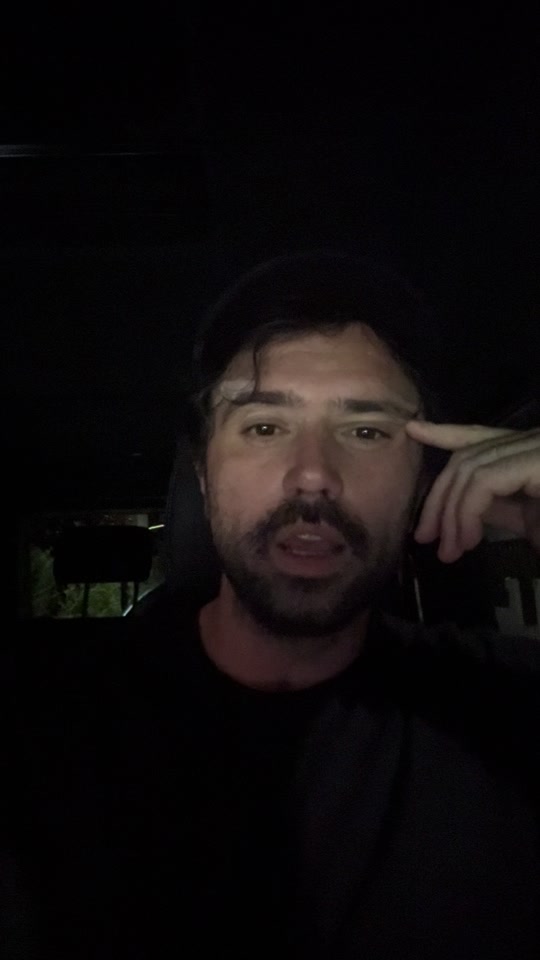
I talk in this video about trying to decide whether I am doing life well. There is work, there are challenges, and things happen that I did not expect. At the same time, there are moments when I look around and think: I would not change this scene.
Friends nearby. Family. A conversation, a laugh, a chance to make something together.
I describe noticing these moments more often. That is a personal recollection, not a tracked happiness score or a result somebody else should expect on the same timetable.
The whole life question can hide the moment
“Am I successful?” is such a large question that almost any unfinished task can become evidence against you. There is always something that could be better. If the rule is that everything must be resolved before a good moment counts, the rule can keep moving forever.
In the clip, changing perspective means noticing what is already present. It does not mean that the problem on tomorrow’s calendar has vanished. The good thing and the difficult thing can both be true.
A fictional example: a project has gone badly, but a friend has shown up and spent the evening helping you understand why. The project still needs work. The friendship is still real. One does not have to cancel the other.

A more accurate picture, not forced positivity
The NHS describes reframing as examining the evidence for a thought and considering another, more balanced interpretation. Its guidance also says that changing a thought is not always possible and does not resolve the underlying problem.[1]
That distinction matters here. “Everything is wonderful” may be less honest than “This is a hard period, and there was one part of today I valued.” The second sentence leaves room for reality.
An ordinary reflection could ask: what happened, what story am I telling about it, and what else is also true? Those questions are an editorial exercise, not a treatment or a requirement to find gratitude in every painful experience.
Do something with the thing you noticed
If the good part of the day was a conversation, perhaps make room for another one. If it was a quiet moment with family, notice what allowed that space to happen. Appreciation becomes more concrete when it influences where you put attention next.
That does not require turning every moment into content, a habit streak or a new obligation. Some things are worth enjoying without recording proof that you enjoyed them.
In the video I connect the present moment to the path that brought me there, including mistakes. That is how I make sense of my own story. It is not a claim that every harmful experience was necessary, deserved or beneficial. People can value their present and still wish something painful had never happened.
This sits beside my reflection on the twenties and thirties. A good part of life can exist inside a period that is unfinished.
Changing perspective cannot replace practical help or professional care when those are needed. But sometimes it can help me stop overlooking the people already sitting beside me.
Sources and calculation notes
-
[1] NHS Every Mind Matters, Reframing unhelpful thoughts.
-
The video’s frequency descriptions are personal recollection, not measured wellbeing data. The example and diagram illustrate reflection; they are not a clinical assessment or a promise that perspective alone resolves distress.
-
Original video and thumbnail: Eduard Luta on TikTok. Published 2026-05-29. Research checked 27 September 2026.